Official game
Play The Assessment
This game is hosted by Steam. Continue to the official page to play or download it.
Wishlist on SteamOverview
The Assessment is a short-form psychological horror game from Miga Games. You play Gabrielle, an archaeologist visiting Japan who takes a phone call out of the blue: assess Yokogawa Castle and determine whether it should be preserved or condemned. She agrees before the caller finishes speaking. The game's hook is in that urgency, and in what she finds: hitobashira, the practice of burying human sacrifices within castle walls to protect the structure. Some rituals were never meant to end.
Where most horror games hand you a flashlight and a combat roll, The Assessment hands you a job. You photograph the castle's condition, perform rituals, release trapped souls, and recover artifacts from the buried. The castle responds. A dynamic haunting system keeps ghostly encounters unpredictable, and the developer's line lands harder the longer you play: the castle is assessing you back.
The full game targets Q4 2026, and a free demo covering the first three areas is live now. Developer Miga describes it as a short-form experience focused on suspense, exploration, and discovery, with many of its themes drawn from personal experience.
| Fact | Detail |
|---|---|
| Developer / Publisher | Miga Games |
| Genre | Psychological horror, suspense, exploration |
| Platform | Windows (Steam); Steam Deck listed as a target on the official site |
| Release date | Q4 2026; free demo live |
| Setting | Yokogawa Castle, Japan |
| Protagonist | Gabrielle, an archaeologist |
| Core systems | Assessment photography, rituals, soul release, artifact recovery |
| Haunting | Dynamic system, unpredictable encounters |
| Camera | First-person and third-person, switchable anytime |
| Length | Short-form experience |
| Demo content | Castle Exterior, Castle Interior, Senior Home |
Who it is for: fans of Japanese folklore horror, players who liked the slow-dread pacing of Mundaun or the assessment-fiction framing of analog horror, and anyone who wants a horror game where observation is the core verb.
Who it is not for: players who want combat, long campaign length, or jump-scare-per-minute density. This is a thinking person's haunting.
Getting Started
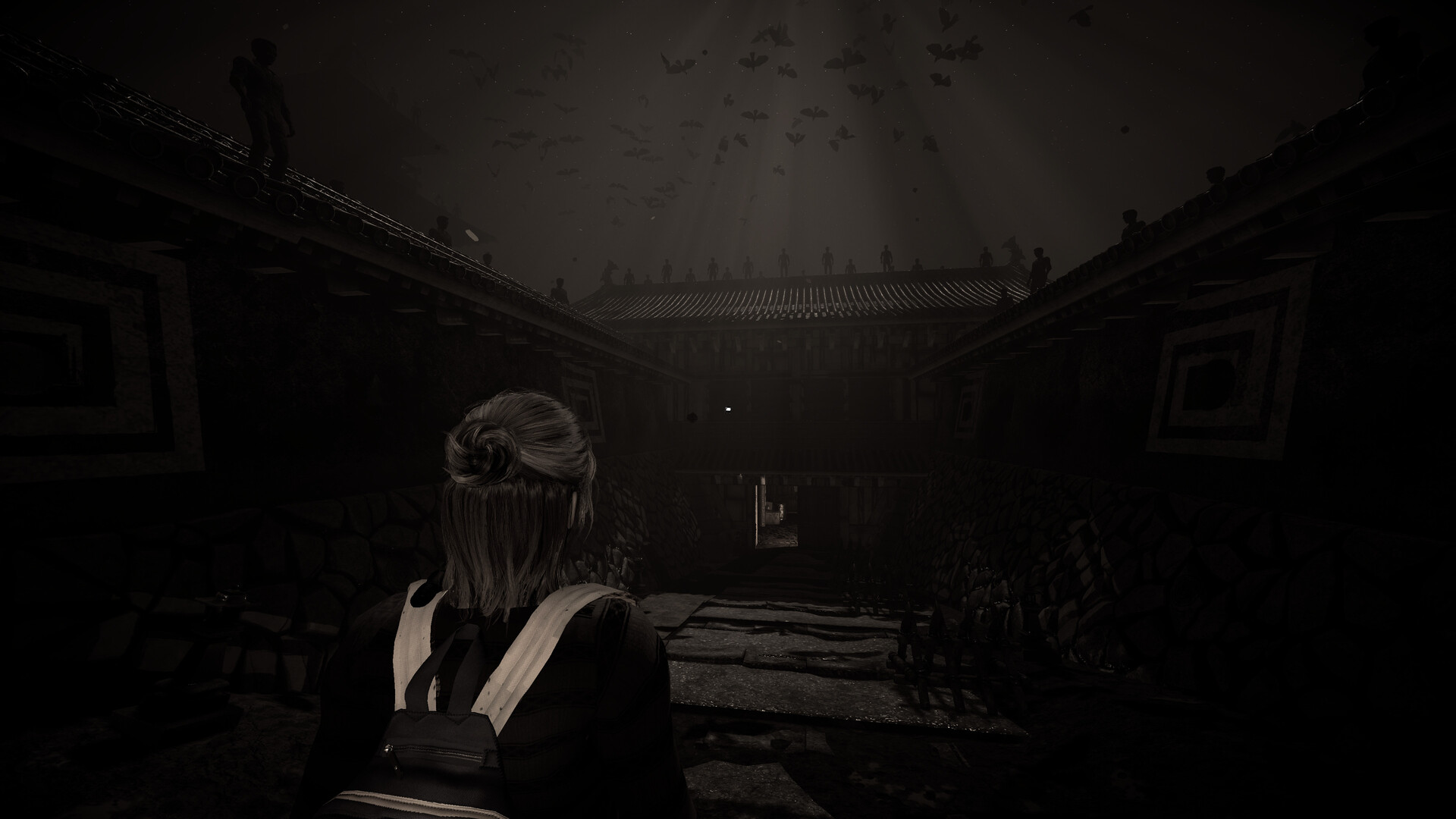
The demo is free on Steam and takes most players under an hour. Play it before you read anything else. The three demo areas are the Yokogawa Castle Exterior, the Interior, and a Senior Home, and the experience is built to be discovered, not optimized.
Your first session plan
- Play in the dark with headphones. The developer's own advice, and it matters. The dynamic haunting system works through audio cues that laptop speakers flatten.
- Photograph everything twice. Assessment photographs are your primary tool and your primary evidence. Some comparisons only register from specific angles.
- Do not rush the Exterior. The castle grounds teach the game's grammar: what is documented, what is wrong, and what the photos are telling you.
- Expect the Interior to turn. The demo's difficulty curve is emotional, not mechanical. The Interior is where the castle starts responding to you.
- Save the Senior Home for when you can sit with it. Without spoiling anything, the third area recontextualizes what the castle is doing, and it is the demo's best writing.
Beginner mistakes to avoid
- Treating photos as busywork. The photograph system is the game's investigation mechanic. Skipping shots means missing the evidence trail that explains the ending.
- Ignoring ritual timing. Rituals you perform while something hunts you. Panicking mid-ritual is how the demo kills careless players. Learn the sequence, then stay calm inside it.
- Switching cameras for spectacle. First-person tightens dread; third-person gives spatial awareness. Switch for tactical reasons, not variety.
- Reading the game as a walking sim. The systems underneath, photograph matching, soul release, artifact recovery, have real logic. Players who engage with them get a different experience than tourists.
- Playing the demo in short bursts. The dread builds in a continuous arc. Five-minute sessions blunt it.
Core Mechanics
The assessment as gameplay frame
The premise is the mechanic. You are not investigating the castle; you are evaluating it. Every tool you hold belongs to that job: photographs document condition, assessments judge preservation, and the paperwork frame gives the horror its edge, because a castle that does not want to be condemned has a motive to interfere with the assessment.
The system changed during development. SteamDB playtest patch notes for build 0.9.9.8 show Miga removed an Assessment Form mechanic that was confusing and did not contribute to the story, replacing it with Photo Matching: you find the location of a photo in the game world. The same patch made first-person the default view. That is a developer iterating toward clarity, and it shows in the demo, where photo matching is the cleanest system in the game.
Hitobashira and the historical spine
Hitobashira, human pillar sacrifice, is a real piece of Japanese folklore: people buried alive within castle walls, dams, or bridges so their spirits would protect the structure. Legends attach it to Maruoka Castle and others. The Assessment takes the folklore seriously as historical texture, not set dressing. Gabrielle's research uncovers it in documents before you ever see its consequences, and the horror lands because the practice was real enough to leave records.
For players coming in cold: you do not need the background. But knowing what hitobashira means makes the castle's behavior legible earlier, and the game rewards players who understand why the walls might hold a grudge.
Rituals under pressure
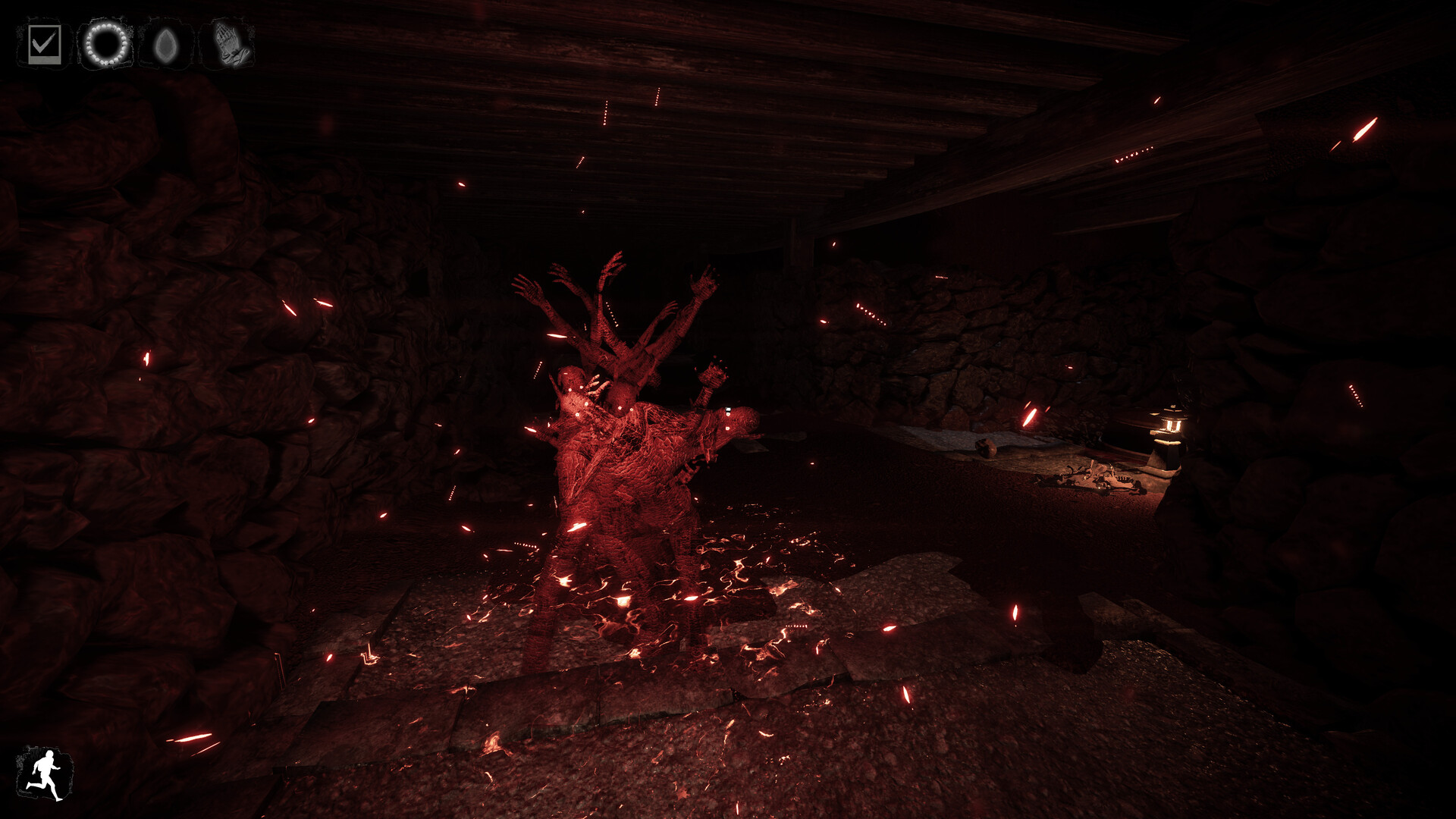
Rituals are the game's interactive set pieces. You perform them to release trapped souls, and the dynamic haunting system schedules a hunter while you do it. The design goal is tension through helplessness: your hands are committed to the ritual sequence while something approaches. Learning each ritual's rhythm turns panic into procedure.
Releasing souls is also the moral spine of the story. The buried do not want revenge. They want acknowledgment. The artifacts you recover and the souls you release piece together who they were, and the game's ending weighs what you chose to learn.
The dynamic haunting
Encounters are unpredictable by design. The same hallway is not the same hallway twice, and Miga has said the system exists so that walkthrough-proofing the game does not defang it. Practical consequence: strategies about routes matter less than strategies about attention. Listen for the audio shift, watch for the visual tell, and accept that sometimes the castle catches you anyway.
Death in the demo is a rewind, not a restart. The short-form structure means the game can afford to be lethal without wasting your evening.
Gabrielle's memories
The castle does not only haunt the building. It corrupts Gabrielle's most painful memories and makes you walk through them. These sequences are where the personal-experience framing shows, and they are the demo's most distinctive writing. Without spoiling structure: the Senior Home area is the doorway into this layer, and it reframes why Gabrielle said yes to the phone call before the caller finished.
First and third person
The camera switch is instant and free. First-person is the default since patch 0.9.9.8 and is the intended dread vehicle: tight corridors, limited peripheral vision. Third-person exists for players who need spatial grounding and for the memory sequences, where watching Gabrielle reads differently than being her. Use both. The game is built for the switch.
Advanced Tips and Strategies
Document before you interact
Photograph rooms before you trigger rituals or open anything. The photo system timestamps and compares, and a before-shot of an untouched room is sometimes the only way to confirm what changed. Completionist players should treat the camera as their first action in every new space.
Learn the haunting tells
Dynamic does not mean random. The haunting system has a tell sequence, an audio drop and an environmental flicker, before encounters. Advanced play is recognizing the tell early enough to choose your position before the encounter resolves. You cannot prevent it. You can stop being where it corners you.
Ritual positioning
When a hunt begins mid-ritual, the space around you matters more than the ritual itself. Learn which ritual sites have one approach and which have three, and prefer defensible positions when the game offers a choice of site. The demo does not advertise this, but it is consistent.
Memory sequences and evidence
Gabrielle's corrupted memories contain details that match castle artifacts. Players who cross-reference what they see in memory sequences against recovered artifacts assemble the full story earlier and get extra texture from the ending. The game does not require it. The story pays it back.
Demo-to-full-game carryover
The October demo state is close to the final game's opening hours. Skills that transfer: photo discipline, ritual calm, tell recognition. Knowledge that may shift: exact puzzle solutions, because Miga is still patching. The 0.9.9.8 playtest patch shows mechanics are actively being replaced, so hold strategies loosely.
Beginner's Guide: Demo Walkthrough Shape
- Exterior: Learn the camera and the photo system. Document the grounds, find the first ritual site, meet the folklore in the documents.
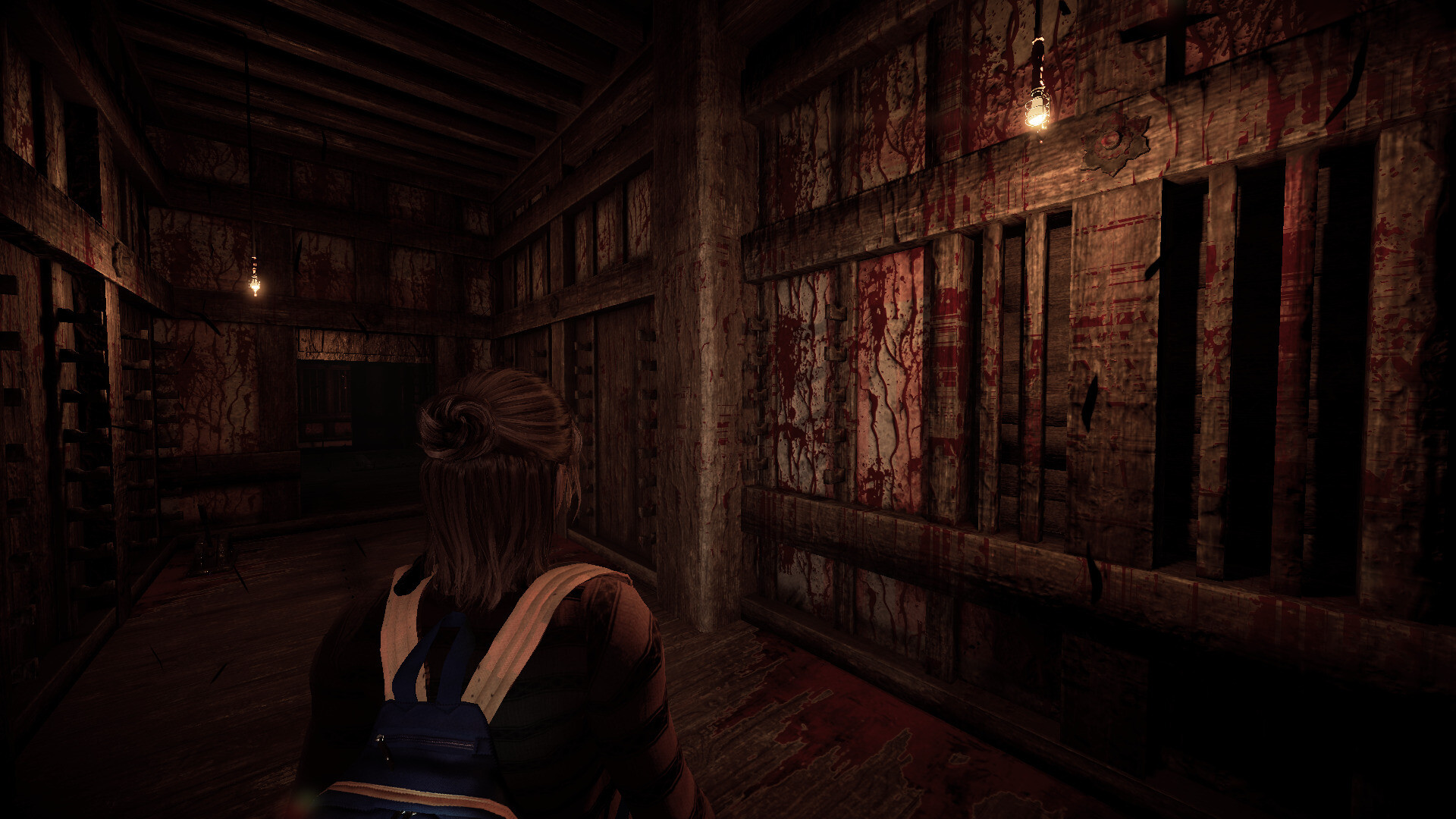
- Interior: The castle wakes up. Rituals under pressure begin here, and the walls stop being architecture. Take your time with the photo matching; the Interior holds the demo's best environmental storytelling.
- Senior Home: The recontextualization. Play it in one sitting, in the dark, without a guide. It is short, and it is the part people remember.
The demo has no missable content in the structural sense. It funnels toward its ending regardless. What varies is how much of the evidence trail you assemble before you get there.
Story, Themes, and Historical Context
The Assessment is a game about being evaluated, from both directions. Gabrielle evaluates the castle; the castle evaluates her; the buried evaluate everyone who walks above them. The preservation-or-condemnation framing gives the horror a bureaucratic coldness that suits its subject: atrocities become maintenance problems, and someone has to fill out the form.
The hitobashira research is the spine. Human pillar sacrifices were believed to anchor a structure's soul, and legends across Japan carry variants. The game treats this with restraint, no gore escalation, no exoticizing, just the quiet horror of a practice that generations accepted. Adventure Game Hotspot's preview highlighted exactly this: the setup earns its dread through documentation rather than spectacle.
Miga's personal-experience framing is unusual and worth knowing going in. Themes of memory, guilt, and elderhood run under the castle story, and the Senior Home sequence is where the two layers meet. Players sensitive to dementia themes should know the demo touches them with care rather than exploitation.
System Requirements
Steam has not published final specifications. The demo runs on modest Windows hardware; the presentation is atmospheric rather than graphically dense, and load areas are small. A machine that runs recent first-person indies comfortably will not notice this one.
Steam Deck and Platform Notes
The official site lists Steam Deck among target platforms, which makes The Assessment one of the few horror indies in its bracket advertising Deck support before launch. No ProtonDB report exists yet for the demo. Expect a verified rating push near the Q4 2026 release, and treat Deck performance as promising but unverified until players get hands on it.
Monetization and Pricing
No price announced. Premium single-purchase release, free demo, no early access announced, no microtransactions anywhere in store material.
Community and Links
- Official site: migagames.com/the-assessment, with newsletter signup
- Steam page: store.steampowered.com/app/4081850, plus a separate free Demo app (4666690)
- Instagram: Games From Miga posts demo updates and development notes
- Contact: [email protected]
- Developer's own channel: Miga describes the studio's mission as telling captivating stories through immersive games
Known Issues and Open Questions
- The Assessment Form mechanic was removed in the 0.9.9.8 playtest patch and replaced with Photo Matching. If you played an older playtest, the demo's systems differ.
- First-person is now the default view; older materials assume third-person default.
- Full release scope beyond the demo's three areas has not been detailed. The short-form label suggests a focused 3 to 5 hour experience, but Miga has not confirmed a length.
- Steam reviews are zero so far, expected for an unreleased title; community knowledge lives in the demo's player base and the developer's social posts.
Roadmap
Q4 2026 is the release window. Between now and then, watch Miga's Instagram and the Steam news hub for a firm date. The playtest patch cadence suggests active development toward a feature-complete build. Wishlist to catch the release announcement.
Comparison With Similar Games
| Game | What it shares | Where The Assessment differs |
|---|---|---|
| Mundaun | Folk horror, observational pacing, pencil-textured dread | Japanese folklore spine and the assessment paperwork frame |
| Silent Hill f | 1960s Japan setting, psychological corruption | No combat; observation and ritual replace action |
| Paratopic-style shorts | Short-form structure, dread over spectacle | A single sustained narrative rather than anthology segments |
| Analog horror web series | Evaluation-format framing, found-document texture | You are inside the format, photographing the anomalies yourself |
FAQ
Is The Assessment out? Not yet. It targets Q4 2026, with a free demo live now.
Is there a demo? Yes, covering three areas: Castle Exterior, Castle Interior, and a Senior Home. It takes under an hour.
How long is the full game? Unconfirmed. The developer calls it a short-form experience; expect a focused single-sitting-to-evening length.
Is it on Steam Deck? The official site lists it as a target platform. Unverified until release.
Is there combat? No. Tension comes from rituals performed while something hunts you, and from the dynamic haunting system.
What does hitobashira mean? Human pillar sacrifice: people buried within walls so their spirits protect a structure. The game's castle practiced it, and the buried are still there.
Who makes it? Miga Games, an independent developer self-publishing on Steam.
Is it related to the 2024 film of the same name? No. The 2024 science-fiction film The Assessment is a completely unrelated work. The game's Wikipedia-absence means search results mix the two; the castle setting is the tell you have the right page.
Quick Reference Card
| System | What to know |
|---|---|
| Photo Matching | Find photo locations in the world; document rooms before interacting |
| Rituals | Performed under hunt pressure; learn the sequence, stay calm |
| Soul Release | The moral spine; freed souls tell the buried's story |
| Artifacts | Cross-reference with memory sequences for the full story |
| Dynamic Haunting | Unpredictable encounters with audio tells before they resolve |
| Camera | First-person default, third-person anytime |
| Demo | Three areas, free, under an hour |
| Release | Q4 2026 |
Screenshots