Official game
Play Shinjuku Anomaly
This game is hosted by Steam. Continue to the official page to play or download it.
Play on SteamOverview
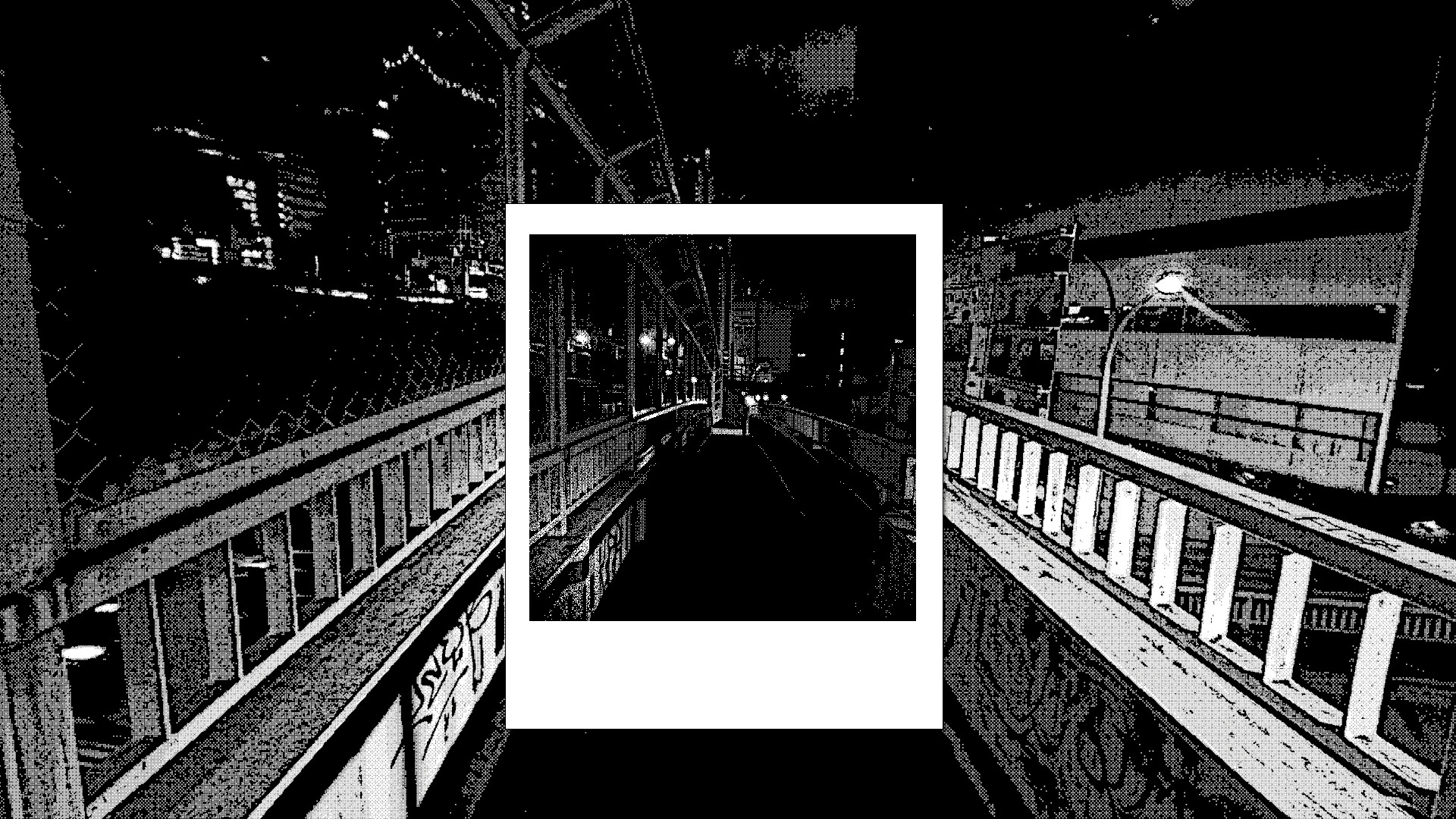
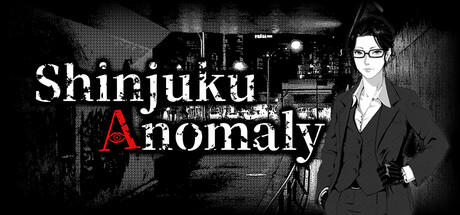
Shinjuku Anomaly is a short horror visual novel from AMATA Games, the Tokyo studio better known for VR titles like Last Labyrinth and The Tale of Onogoro. Here they swap VR headsets for a camera lens. You play a night-shift worker with one job: photograph the anomalies that appear in Shinjuku after dark.
The whole game runs on four rules your agency gives you:
- If you see an anomaly, take a picture of it.
- When taking a picture, get close enough to capture a clear image.
- However, be careful to not get too close.
- Return to the agency once you've used up all of the film.
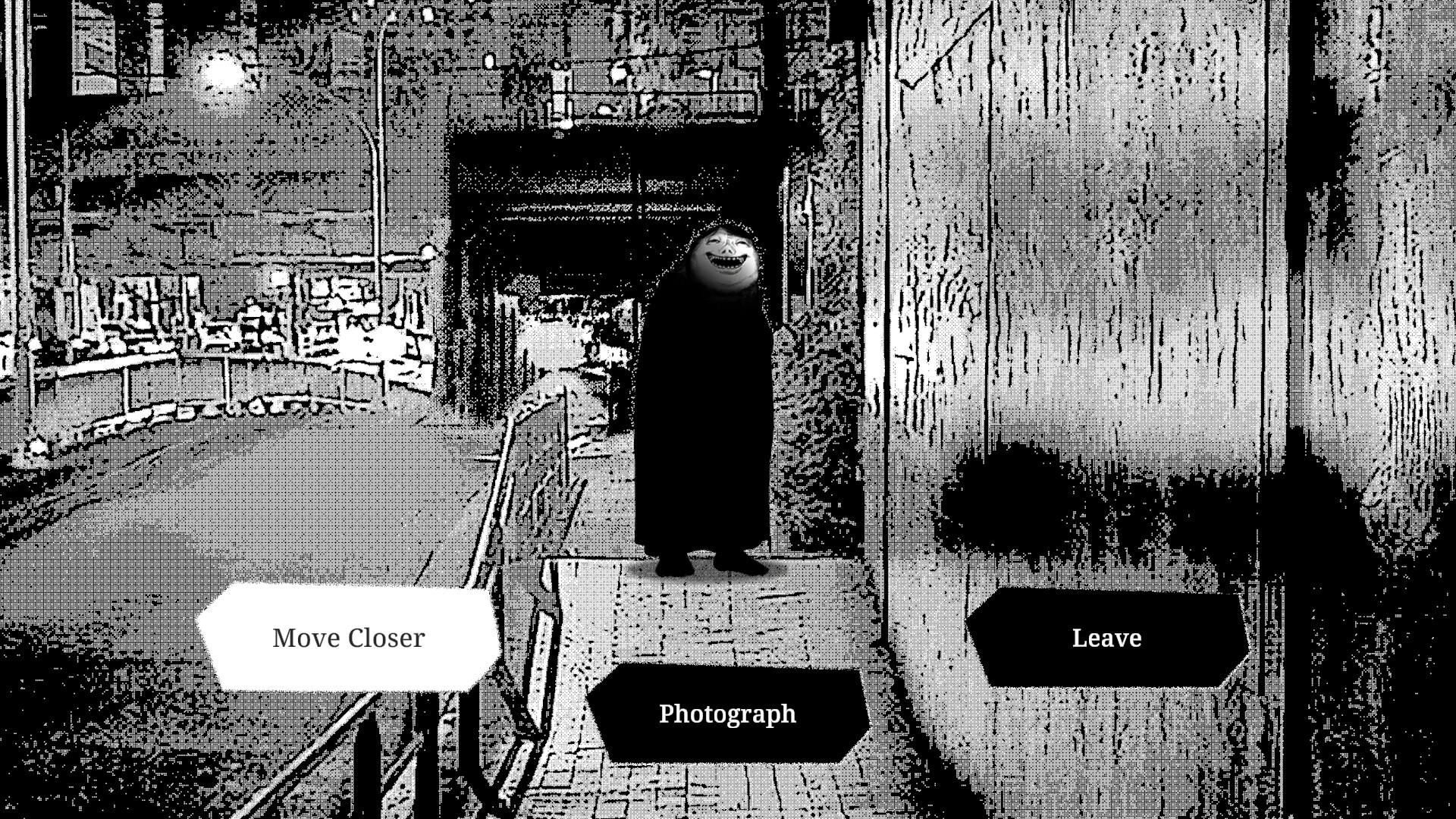
That second and third rule pair is the entire game. Your film rolls are limited, each shot needs to be close enough to be clear, and every step closer raises the risk of what happens when the anomaly notices you. When the film runs out, you go home, and the story branches based on what you photographed and what you survived.
The developer labels it a short horror visual novel with multiple endings, and the store page carries a fiction disclaimer that sets the tone: fictional anomalies, real city streets.
Game Details
| Field | Information |
|---|---|
| Genre | Horror visual novel |
| Developer / Publisher | AMATA Games |
| Platform | Windows (Steam) |
| Price | Free |
| Release | September 29, 2026 |
| Players | Single-player |
| Languages | English, Japanese, Simplified Chinese, Traditional Chinese |
| Endings | Multiple, based on your photography choices |
| Session Length | Short; designed to be replayed for other endings |
| Minimum OS | Windows 11, 8 GB RAM, 64-bit |
How the Photography Loop Works
Everything in Shinjuku Anomaly sits on top of one loop: walk the night streets, spot something wrong, raise the camera, decide how close to get, shoot.
Distance is your difficulty dial. Too far and the photo fails the clarity check, wasting a frame you cannot get back. The sweet spot captures the anomaly cleanly. Push past it and the encounter changes from documentation to contact. The game never prints an exact distance number, so you learn to read the framing, the anomaly's behavior, and your own nerve.
Film is your turn counter. Each roll holds a fixed number of shots, and the loop ends when the last frame is spent. That constraint does two things at once: it stops you from spray-and-praying every shadow, and it forces a route decision each night, because spending frames on one district means fewer for another.
The Four Rules, Translated Into Play
Rule one: photograph every anomaly you see. Skipping an anomaly is the quietest way to a bad ending. The agency pays for documentation, and the story keeps score of what you captured. If something crosses your path, it belongs on film.
Rule two: get close enough for a clear image. Clarity is a judgment call. Frame the shot, look at what the camera sees, and advance until the anomaly fills enough of the viewfinder. If your subject looks like a smudge, you are not done closing in.
Rule three: do not get too close. The game's tension lives between rules two and three. Anomalies react to proximity. Some freeze, some turn, some move toward you. Watch the anomaly's animation when you have the camera up. If it shifts posture as your framing tightens, that is your cue to shoot now.
Rule four: go home when the film is gone. No lingering, no extra wandering on an empty camera. The ending you get reflects the night's work, so treat each roll as a budget: how many frames are you willing to spend before your route back to the agency?
Getting Started: Your First Night
- Shoot early, shoot often. On your first run, err toward rule two rather than rule three. A wasted frame on a blurry photo costs less than a close encounter you did not see coming.
- Read the scene before the shot. The visual novel format means every anomaly appearance gets text and staging first. The prose hints at what the thing is doing. Nervous text usually means a nervous anomaly.
- Count your frames. Get a feel for how many shots a roll holds on your first outing. Once you know the number, you can plan a route instead of drifting.
- Let a bad ending happen. You will likely hit one ending on a relaxed first playthrough. That is fine. The game is short by design, and knowing one ending shape teaches you what the agency values.
- Replay with intent. Second run, change one variable: get closer on purpose, or hoard frames, or skip a photo you took last time. Endings respond to these differences.
Advanced Strategies
Route planning by film economy. Once you know roughly where anomalies cluster, you can plan loops that put several subjects within reach of one roll. The further you roam from the agency before spending your last frame, the longer your walk back, and the night tends to get worse the longer you stay out.
The half-step technique. For anomalies that react sharply to proximity, advance in small increments between camera raises instead of walking straight to the clear-shot distance. You are feeling for the exact frame where their animation changes, then shooting a beat earlier than instinct says.
Deliberate blur runs. Because endings track your documentation record, a run where you photograph everything from a "safe" but blurry distance produces a different outcome than a clean-shot run. If you are hunting the full ending set, a low-quality-photos run is a legitimate branch to test.
The refusal run. Rule one says photograph everything you see. Runs that break rule one deliberately are worth one playthrough once you know the standard outcomes. The game notices disobedience.
Endings and Replay Value
AMATA Games keeps the exact ending count off the store page, which is honest for a short multi-ending visual novel. What the store page does confirm: multiple endings exist, and they key off your photographs. The practical loop is: finish a night, note how the agency reacted to your work, change one photography habit, run the night again. Three to four focused runs cover most of the branching.
Because a full run is short, the replay cost is low. Treat it like a puzzle box: four rules, finite film, several ways a night can end.
Tips for Horror-Photo Game Veterans
If you played the anomaly-photo genre before (the setup echoes a certain famous Japanese photo-collecting horror format), the transferable skills hold: patience beats speed, the camera is your health bar, and the scariest choice is always the closer one. Shinjuku Anomaly compresses that loop into visual novel pacing, so the decisions matter more than the reflexes. New to the format? Same advice applies. The camera is your only tool, and the game wants to know how you use it.
System Requirements
| Requirement | Minimum |
|---|---|
| OS | Windows 11 |
| Processor | 64-bit processor and operating system |
| Memory | 8 GB RAM |
| Storage | Modest; visual novel footprint |
The requirements are light. Any machine that runs Windows 11 comfortably will run this without a thought. Controller support is listed, though a mouse keeps the camera interface snappiest.
FAQ
How long is Shinjuku Anomaly? Short by design. One night's work takes well under an hour. Seeing multiple endings is where the playtime lives.
How much does it cost? Free on Steam.
Does it have achievements? The store page lists Steam achievements among its features, alongside Steam Cloud and Family Sharing.
Is it scary or gory? It is a slow-burn horror built on atmosphere and proximity tension rather than shock imagery. The Tokyo night setting does most of the work.
Is it related to real Shinjuku incidents? No. The store page carries an explicit disclaimer: the game is fiction with no connection to real people, incidents, or organizations.
What languages does it support? English, Japanese, Simplified Chinese, and Traditional Chinese interface and text.
Who made it? AMATA Games, a Tokyo studio with a background in VR adventure titles (Last Labyrinth, The Tale of Onogoro). This is one of their non-VR projects.
Quick Reference Card
| Topic | Quick Answer |
|---|---|
| Core loop | Photograph anomalies, manage film, return to agency |
| Rule 1 | Shoot every anomaly you see |
| Rule 2 | Close in until the photo is clear |
| Rule 3 | Never get too close; watch their reaction |
| Rule 4 | When film is gone, go home |
| Price | Free |
| Length | Under an hour per run, multiple endings |
| Replay goal | Change one photography habit per run |
| Languages | EN, JA, zh-Hans, zh-Hant |
Screenshots