Official game
Play Lost Host
This game is hosted by Steam. Continue to the official page to play or download it.
Wishlist on SteamOverview
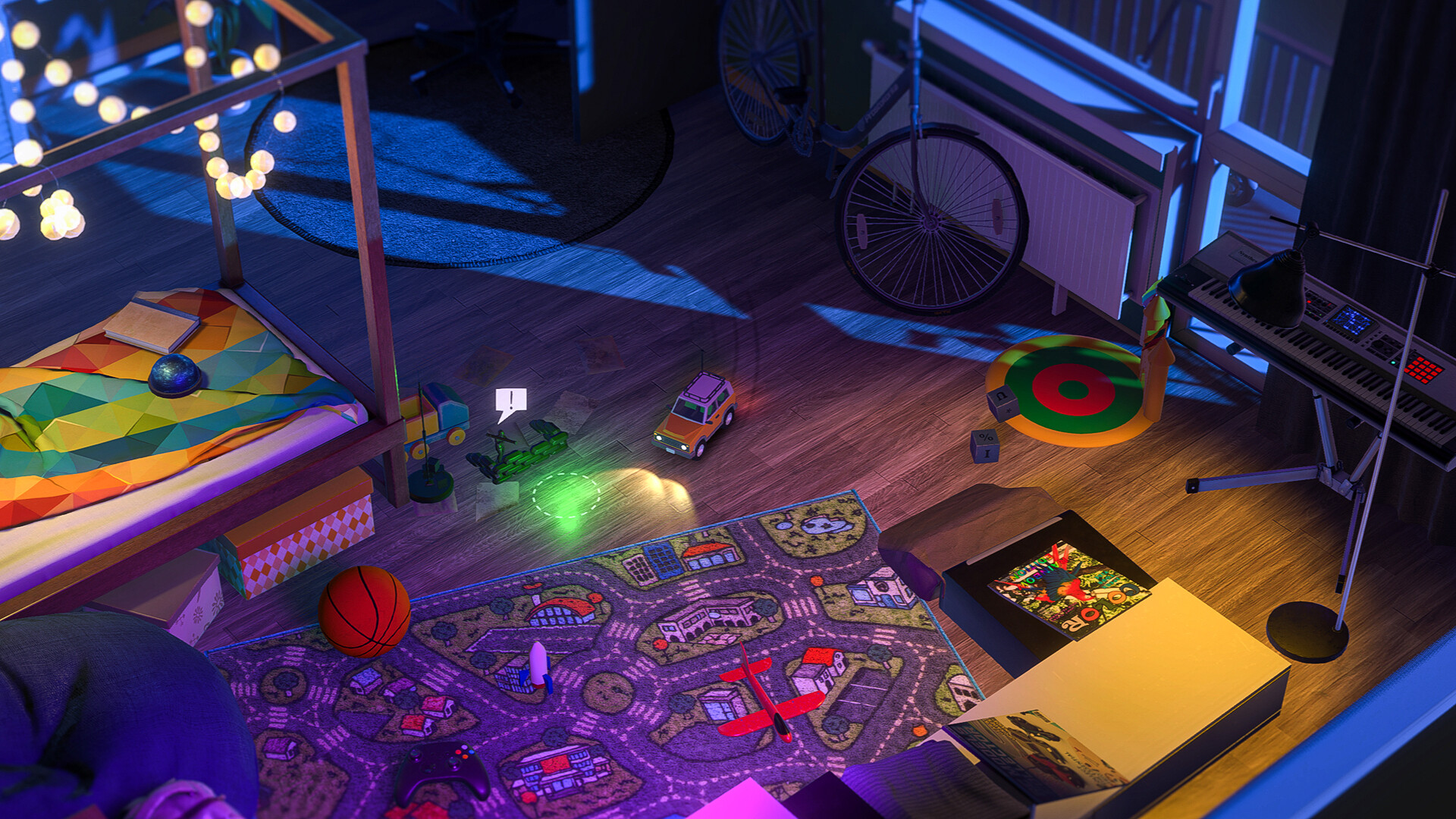
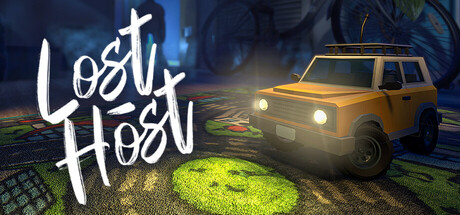
Lost Host is a physics-driven puzzle adventure from Lithuanian solo developer Gest.LT, launching November 4, 2026 after more than two years of development. The premise is one sentence of pure tension: a boy has vanished without a trace, and the toy car he left behind rolls out of the quiet room to find him.
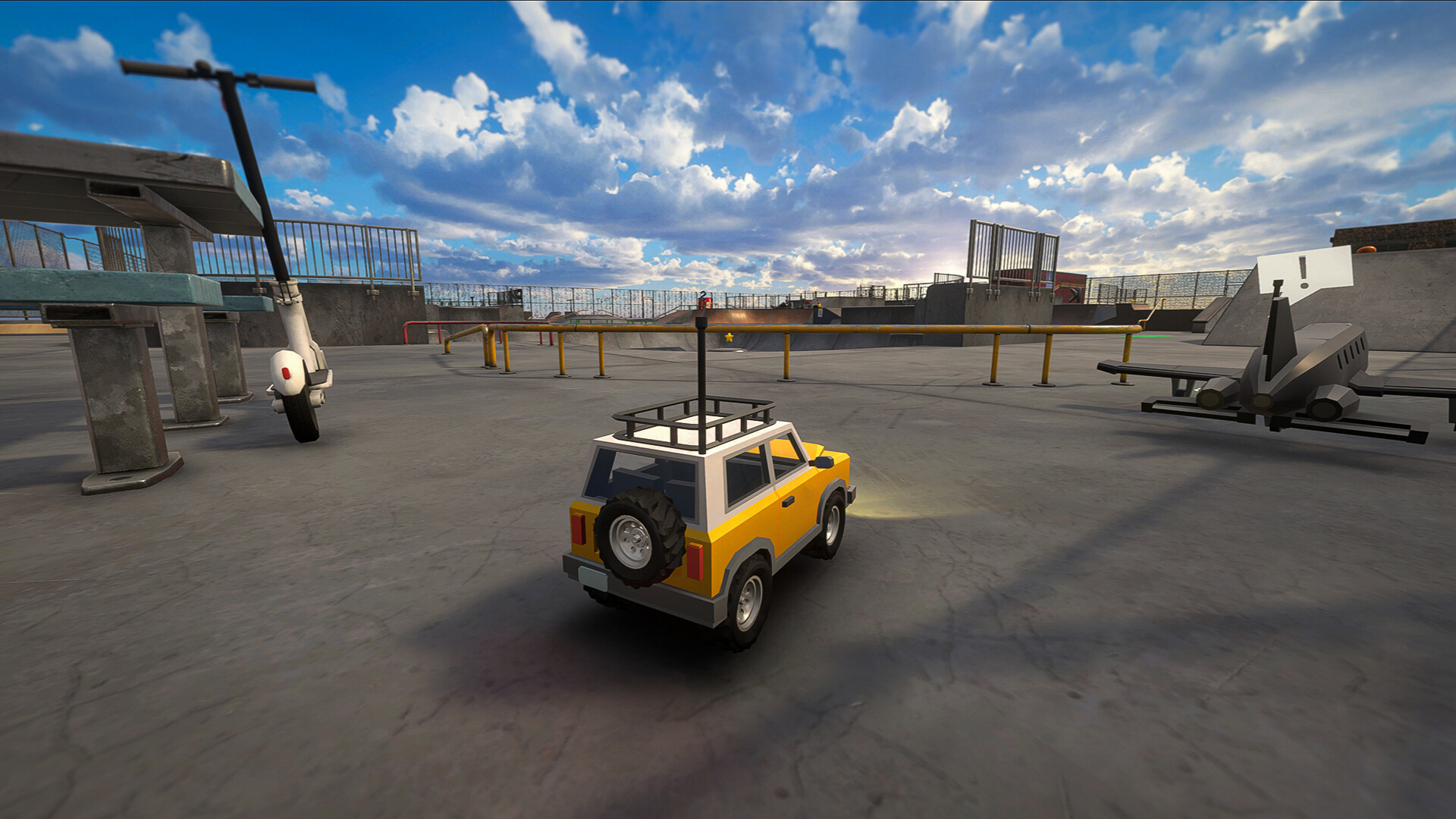
You drive that toy car through the boy's home and out into a world scaled against you. Foggy streets, abandoned places, and dark atmospheric locations all treat a small plastic vehicle as exactly as fragile as it would be in real life. Falls, fire, and water are lethal. Dogs, robotic vacuums, and creepy toy monsters patrol the routes between you and the next clue.
The signature system is physics you can lean on: push, move, and interact with almost anything. Puzzles resolve through creative shoving rather than key hunting, which is what makes a game about a toy car feel alive. The tone balances spooky against heartwarming, and the developer markets it as a game the whole family can enjoy, which puts it closer to cozy-horror than survival horror.
Wishlist momentum tells you the release matters: the developer's Steam news crossed 40,000 wishlists, unlocking the first launch discount, and a June 2026 update placed the game in the Baltic Showcase with the build at roughly 70% complete. A Steam Deck compatibility pass landed in September, fixing the last menu navigation bugs.
Game Details
| Field | Information |
|---|---|
| Genre | Physics puzzle adventure |
| Developer / Publisher | Gest.LT |
| Platform | Windows (Steam) |
| Price | TBA (launch discount confirmed via wishlist milestone) |
| Release | November 4, 2026 |
| Players | Single-player |
| Languages | English, Lithuanian (full audio); FR, IT, DE, ES, PL, RU text |
| Engine | Unity |
| Minimum Specs | Ryzen 5 3600, 8 GB RAM, GTX 1050, 10 GB storage |
| Steam Deck | Verified-ready; September patch fixed final D-pad issues |
| Controls | Full controller support, keyboard-only option |
The Story Setup and Why It Hooks
The boy is gone. The room is quiet. The car rolls off the shelf.
Lost Host builds its whole emotional engine from scale. A hallway is a highway. A staircase is a cliff. The family dog is a boss-tier hazard. The story unspools through what you find on the way: the boy's things, the rooms he left, the clues about whether he needs rescue or something stranger happened. The developer promises "maybe he needs your help more than you think," which is doing a lot of narrative work in one line.
Core Mechanics Explained
Physics is the verb set. Push, pull, climb, topple. Almost every object in the house and beyond responds to the car's weight and momentum. A box is a step stool if you hit it right; a plank is a bridge if you can lever it into place.
Fragility is the fail state. Falls from height, fire, and water end runs. The car is brave, not durable. Every route you plan has to weigh the reward of a shortcut against what happens if the physics disagree with you halfway through.
Enemies are environmental puzzles. Dogs, robot vacuums, and toy monsters are not combat encounters. You solve them: distract the dog, time the vacuum's patrol loop, sneak past the toy that should not be moving. Charging straight at any of them is the fastest way to learn this.
Puzzles reward experimentation. The dynamic physics system is the developer's stated selling point, and the design implication is that most puzzles have multiple solutions. If the intended path looks impossible, you probably have not pushed the right thing yet.
Getting Started: Surviving the First Rooms
- Test the physics on everything. Early rooms are playgrounds. Push every box, roll off every safe ledge, learn how the car accelerates and how much momentum carries. Skills learned in the quiet room pay off on the foggy streets.
- Respect heights from minute one. The fall damage threshold is unforgiving for a toy. If a drop looks too tall, look for a physics workaround: something to push under it, a slope, a softer landing.
- Watch enemy patrol loops before moving. Robot vacuums follow patterns. Dogs react to noise and movement. Three seconds of still observation saves whole restart sequences.
- Water is worse than it looks. It is a hard hazard for a toy car, not a slowdown. Treat every puddle and sink as a wall unless the puzzle clearly wants you across.
- Follow the clues, not the compass. The search for the boy is clue-driven. Objects and scenes tell you where to go next; the world design rewards curiosity over line-following.
Tips: Advanced Strategies
Momentum routing. Once you trust the driving model, plan routes around ramps and pushable weights instead of flat paths. Speed built downhill can carry you over gaps that stop a stationary start.
The distraction toolkit. Pushable objects double as noise makers and bait. A well-placed shove that sends a ball bouncing across a room buys you a clean crossing past a patrolling dog. The physics system means distractions are never scripted; you make your own.
Vertical thinking for puzzle shortcuts. Many rooms hide their solution above the obvious floor-level path. Stacking pushables into staircases, tipping shelves into ramps, riding moving objects: the vertical layer is where the creative solutions live.
Restart discipline. Deaths are fast and checkpoints are frequent by design. When a physics attempt fails twice, reset and rethink instead of forcing it. The game rewards the third idea, not the seventh retry of the first one.
Family co-pilot mode. The developer positions this as a family game. A pattern that works: one player drives, the other spots hazards and calls routes. Two brains on one physics puzzle is a legitimately different experience.
What the Development History Tells You
The Steam news feed is unusually generous for a small indie, and it doubles as a design document:
- Two-plus years of solo development, with the developer noting release-date anxiety honestly: "choosing an actual release date feels like a pretty big and exciting moment."
- 40,000 wishlists milestone triggered the first launch discount for early buyers.
- A cat named Lily appears as "Employee of the Month," because apparently no game from this developer was going to ship without their cat in it. Watch for her in the game.
- June 2026: 70% complete and showing at the Baltic Showcase, with new mechanics teased.
- September 2026: Steam Deck pass complete, fixing a Unity D-pad navigation bug in menus.
Reading that arc, expect a polished launch, Deck-friendly play, and a developer who communicates directly through Steam news. Post-launch patch support is a reasonable expectation.
Steam Deck and Platform Notes
The September 2026 patch explicitly fixed the last Steam Deck issue (menu D-pad navigation), so Deck play is a stated strength at launch. Full controller support, a keyboard-only option, and camera comfort considerations put this in friendly territory for handheld and couch play. The 10 GB storage footprint is modest.
FAQ
When does Lost Host release? November 4, 2026.
How much will it cost? The price is TBA, but the 40,000 wishlist milestone locked in a launch discount for early buyers.
Is it scary? Spooky, atmospheric, and moody, but built for the whole family per the developer. Think heartwarming mystery with tension, not horror.
Is it violent? No combat. Enemies are hazards to solve and avoid. The car cannot fight; it can only outthink.
Is there a demo? Yes, a Lost Host Demo is live on Steam alongside the upcoming full game.
What engine is it built on? Unity. The September Steam Deck patch fixed a Unity-specific menu bug.
Who is Gest.LT? A solo Lithuanian developer. Lost Host is their flagship Steam title, developed over two-plus years and showcased at the Baltic Showcase 2026.
What are the PC requirements? Minimum: Windows 10, Ryzen 5 3600, 8 GB RAM, GTX 1050, 10 GB storage. Modest by 2026 standards.
Quick Reference Card
| Topic | Quick Answer |
|---|---|
| Premise | Toy car searches for its missing owner |
| Core verb | Push, move, interact with almost everything |
| Hazards | Falls, fire, water |
| Enemies | Dogs, robot vacuums, toy monsters; solve, don't fight |
| Release | November 4, 2026 |
| Launch discount | Confirmed via 40K wishlist milestone |
| Steam Deck | Ready; D-pad fix landed September 2026 |
| Demo | Available now on Steam |
| Tone | Spooky but family-friendly |
Screenshots