Official game
Play Caterva: Outsider Dreams
This game is hosted by Steam. Continue to the official page to play or download it.
Wishlist on SteamCaterva: Outsider Dreams: Complete Strategy Guide
Overview
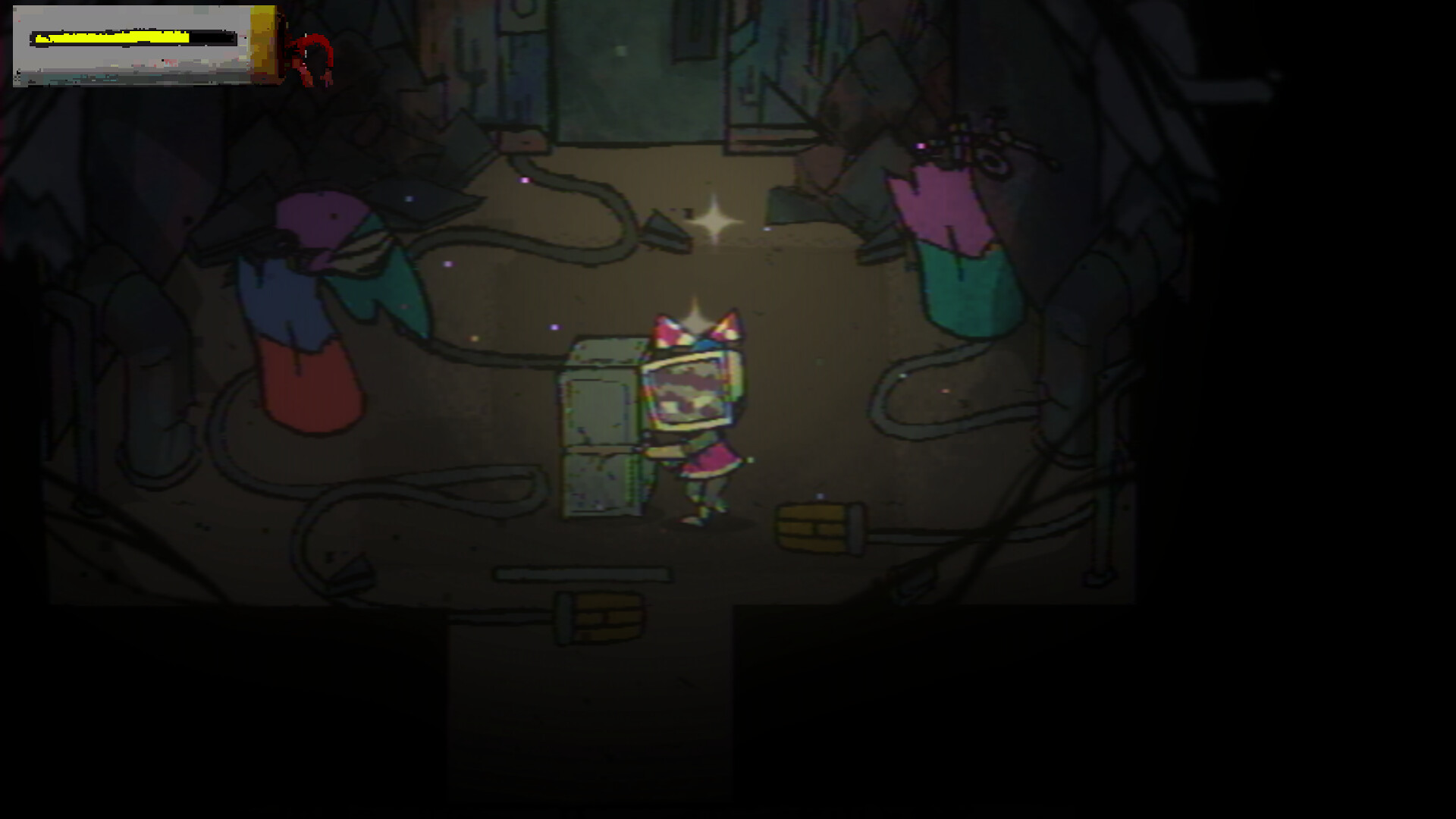
Caterva: Outsider Dreams is an exploration and puzzle adventure from Spanish developer Arziel, published by KimeraWare. The setup is a small village where everyone has shared the same nightmare. Everyone except you. The story follows Milo, who walks through a place that should not exist: a colossal abandoned space station where the inhabitants vanished long ago but their machines still run, and something has been waiting in the depths to emerge.
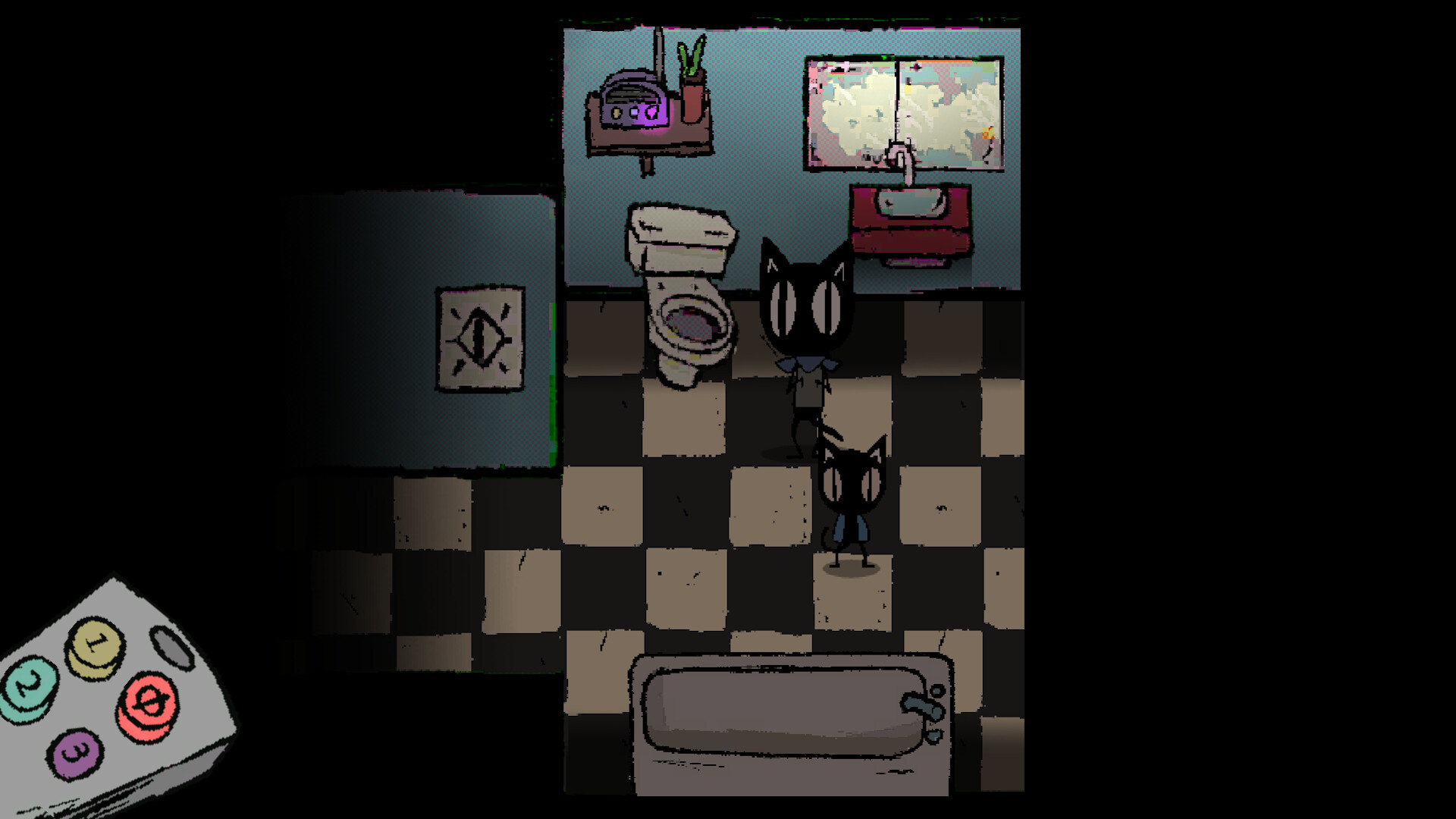
The core mechanic is channel shifting. You toggle between four channels to modify the world around you. A door that does not exist on channel one does on channel three. A machine that is broken in one reality runs in another. The channels also matter in combat: each enemy perceives reality differently, and switching channels mid-fight can invert attacks, boost damage, weaken enemies, or change their abilities.
The game is an adventure RPG hybrid with full controller support. Languages listed are English, Spanish (Spain), and Spanish (Latin America), which matches the developer's roots. The official site describes it as cosmic mystery and adventure, and the store page's excerpt promises a story about a civilization that tried to escape an unavoidable fate.
| Fact | Detail |
|---|---|
| Developer / Publisher | Arziel / KimeraWare |
| Genre | Exploration, puzzle adventure, RPG |
| Platforms | Windows, Mac, Linux |
| Release date | To be announced (2026 targeting) |
| Price | To be announced |
| Players | Single-player |
| Core mechanic | Four-channel world shifting |
| Setting | Abandoned space station, cosmic horror |
| Languages | English, Spanish, Spanish (LA) |
| Controls | Full controller support, DualShock |
| Main character | Milo |
| Steam extras | Family Sharing |
Who is this for? Fans of Outer Wilds' mystery structure, The Witness' puzzle density, and games where the environment tells the story. If you like exploring a silently hostile place and piecing together what happened, this is aimed directly at you. If you want combat-heavy action, note that the combat here is knowledge-based and secondary to exploration.
Target Audience
The game sits in the space between puzzle adventure and narrative RPG. Players who enjoyed the channel-shifting in games like Fractured or the space-station mystery of SOMA will find familiar hooks. The emphasis on reconstructing a shattered tale through environmental traces points to players who value story over mechanical density.
It may not suit players who want constant action. The combat is described as knowledge-based: you read how each enemy perceives reality and adjust channels to survive. That is a slower, more thoughtful loop than a standard action RPG. If you prefer fast fights and no puzzle friction, this will feel different from what you expect.
Getting Started
The first hour of Caterva is about learning to read the station. The channel mechanic is the first thing to master.
1. Understand what channels do
Four channels modify the world. They can reveal paths, change machine states, hide or expose characters, and alter combat. The exact effect of each channel varies by location, so the moment you enter a new room, cycle through all four before committing to a route. A secret passage might only exist on one channel.
2. Map the hub early
The station is colossal. Early on, get a feel for the central hub and its spokes before diving into any single puzzle chain. Knowing where things connect saves you from backtracking later. The machines stay running, so routes you unlock persist; use that to build a mental map.
3. Interact with every machine you find
The station was built to keep functioning for eternity. Machines are the puzzle surface: understanding how they work opens new routes. Some machines only respond on specific channels. If a mechanism does nothing, change channels and try again.
4. Talk to characters when they appear
It is a lonely place, but characters and their traces matter. Every conversation, diary, or machine log can be a clue for a puzzle or a shortcut. The narrative is fragmented, and gathering pieces early makes the later half comprehensible.
5. Treat combat as a puzzle too
Do not rush into fights. Each enemy perceives reality differently. Before engaging, figure out which channel disrupts them. Switching channels mid-combat can invert attacks, boost your damage, or weaken enemy abilities, which transforms what looks like an unfair fight into a manageable one.
Beginner Mistakes to Avoid
| Mistake | Why It Hurts | Fix |
|---|---|---|
| Staying on one channel | You miss paths, hidden objects, and machine states | Cycle all four channels in every new area |
| Ignoring machine logs | Logs carry clues for puzzles and story context | Read every readable surface |
| Rushing combat | Enemies punish blind engagement | Identify their channel weakness first |
| Skipping side paths | Shortcuts and answers hide in off-route corners | Explore every branch before advancing the main path |
| Forgetting to revisit areas | Channel changes can unlock earlier rooms | Re-check old zones after gaining new channel knowledge |
| Hoarding one channel for combat | Some enemies need a mid-fight switch | Practice switching during battle, not just in exploration |
| Expecting a linear story | The narrative is fragmented by design | Collect traces; the picture forms as you progress |
Core Mechanics Deep Dive
The Four Channels
The channel system is the game's signature. Toggle between four channels to modify the reality around you. In exploration this means paths, machine states, and object visibility change per channel. In puzzle rooms, the channels act as a state machine: each mechanism's behavior can differ per channel, and solutions often require sequencing channel changes at the right moment.
Environmental Puzzle Design
The station was built to function forever, so its machines are old, continuous, and interdependent. Puzzles are blended into the world rather than cordoned off. Understanding how a machine works lets you open new routes. The design rewards observation: a lever that seems decorative may be the key to another room's locked door, visible only from a specific channel.
Knowledge-Based Combat
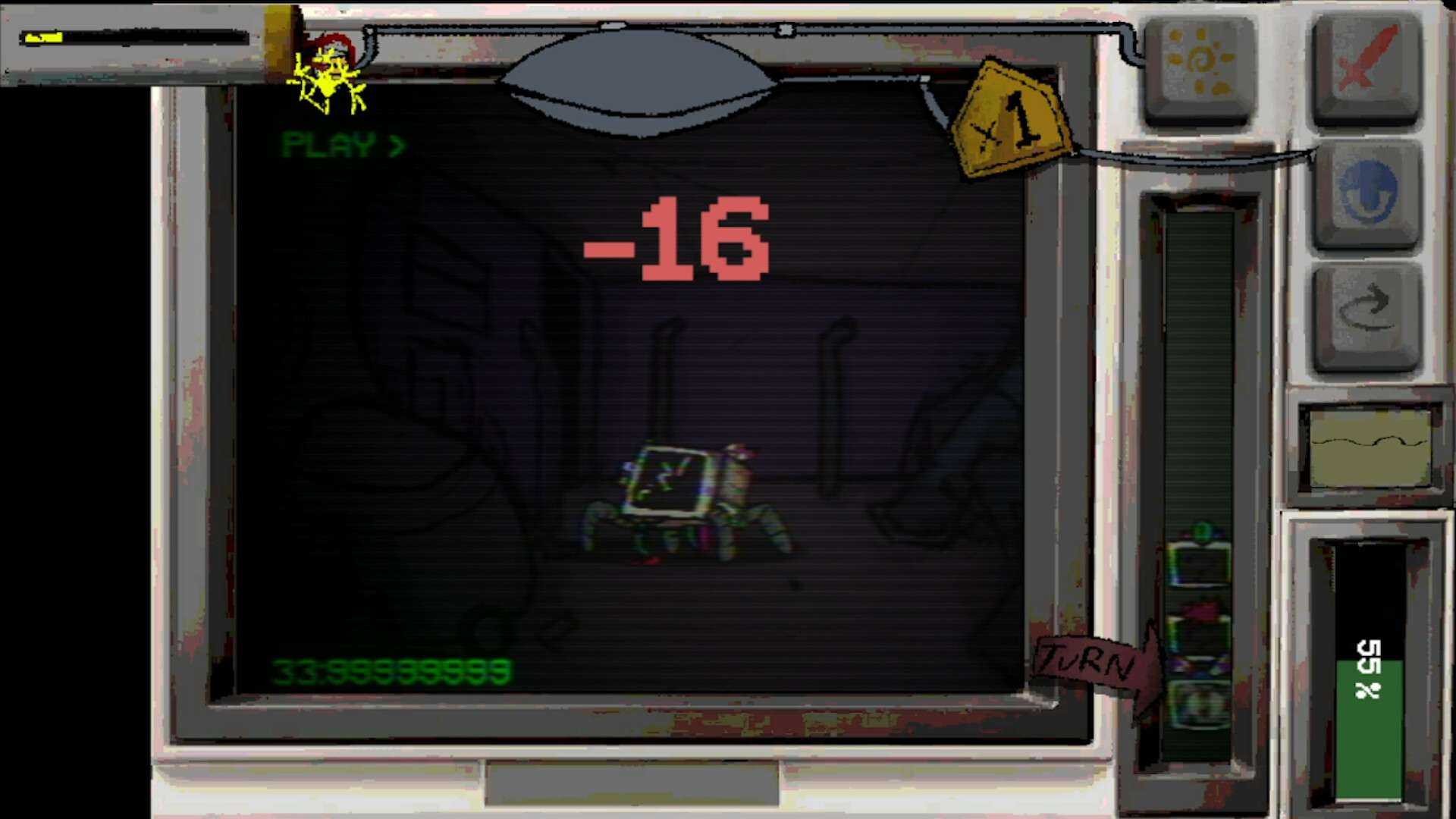
Combat follows the same logic as exploration. Each enemy perceives reality differently. During a fight, you can shift between the four channels to disrupt combat features: invert attacks, boost damage, weaken enemies, or strip their abilities. Every enemy type likely has a preferred channel state, and battles become exercises in reading and reacting rather than raw output.
Narrative Fragmentation
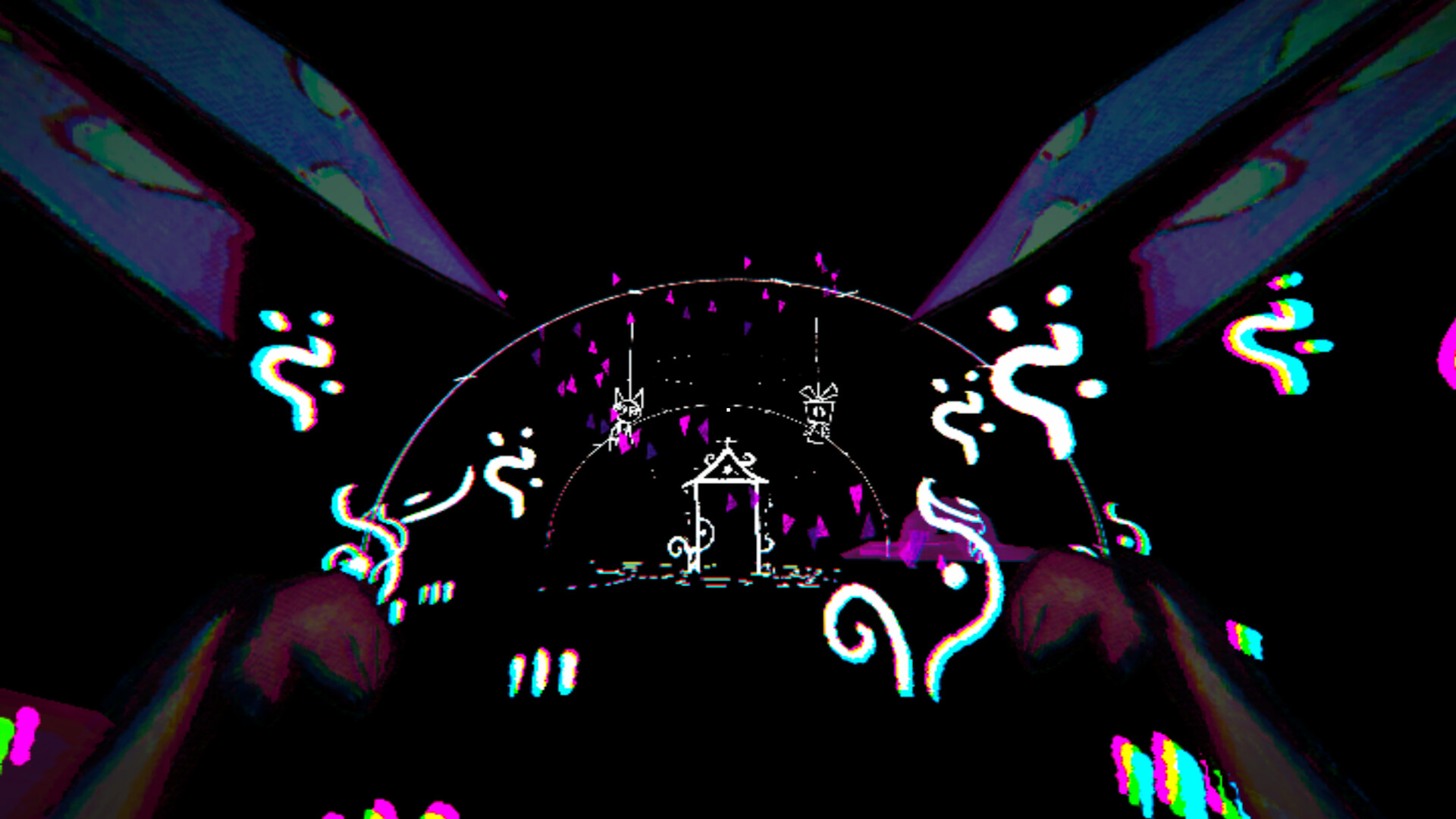
The story is delivered through traces: characters, machines, and the debris of a civilization that tried to escape an unavoidable fate. The excerpt's cosmic imagery, "the eternal sky will open her womb, spilling children that are not ours," signals a horror layer beneath the puzzle veneer. Reconstructing the shattered tale is a goal on par with solving the puzzles.
Exploration as Progression
The station is colossal and lost in time. Progress is measured by routes opened, machines reactivated, and secrets found, not by a level bar. This is a game where the map itself is the reward system, and channel knowledge is the key that unlocks more of it.
Advanced Strategies
The Channel Sweep
Enter every room and sweep all four channels before solving anything. This gives you a full inventory of paths, machines, and objects per state. It costs seconds and prevents the classic miss: a spur-of-the-moment solution that only existed on a channel you never tried.
The State-Machine Sequencing
In puzzle rooms with multi-step mechanisms, map each channel's effect on each machine before committing. Treat the room as a state machine. If lever A affects door B only on channel two, the solve order often starts by setting the channel, flipping the lever, then changing channels to lock the state.
The Combat Weakness Profile
Before a hard fight, cycle channels to read the enemy's reaction per state. Build a profile: channel X inverts their attack, channel Y boosts your damage, channel Z weakens them. Then fight in the profile order, not in one static channel. The difference is usually the difference between a drained fight and a clean one.
The Backtracking Audit
After acquiring any new piece of the channel system, audit the rooms you have already visited. The station's interconnections mean an earlier locked door may now be open. A quick sweep of old hubs costs little and regularly pays out with shortcuts or secrets.
The Narrative Trace Collection
Collect every readable trace as you go. Even fragments that seem irrelevant can become puzzle keys later. The game's fragmented story rewards patients who gather everything and punishes players who sprint past logs.
FAQ
When does Caterva: Outsider Dreams release?
No exact date is set. The Steam page lists a 2026 target window with release status to be announced.
What platforms are supported?
Windows, Mac, and Linux are listed on the Steam page.
Is there a demo?
Not currently listed on Steam.
Is it single-player?
Yes. The Steam categories list single-player with full controller support and Family Sharing.
Does it have controller support?
Yes. The store page lists full controller support and DualShock support.
How does the channel mechanic work?
You toggle between four channels that modify the world: paths, machine states, objects, and combat properties change per channel. Exploration and combat both use it.
What languages are supported?
English, Spanish (Spain), and Spanish (Latin America).
Is the combat difficult?
Combat is knowledge-based. You need to read how each enemy perceives reality and adjust channels accordingly. It is more puzzle than reflex.
What is Milo's role?
Milo is the main character. When Milo sleeps, something wakes up in another place, and the story follows their journey through the station.
Is there a wiki or community yet?
Very little exists, consistent with the game's early stage. The official site is kimeraware.com.
What is the price?
To be announced.
Who publishes the game?
KimeraWare, the Spanish indie label founded by the Arziel team.
Final Tips
The habit that carries you through Caterva is the channel check. Every room, every machine, every fight: sweep the channels before you commit. The game hides its depth in that toggle, and players who remember to look at all four realities will breeze through puzzles that stump players who do not.
Verdict: a strong wishlist pick for puzzle-adventure and cosmic mystery fans. If Outer Wilds-style discovery and channel-shifting puzzle solving sound good, this is worth following. If you want combat-heavy gameplay, wait for combat footage closer to release before deciding.
Last reviewed by Game How To Editorial. We play each game, verify controls against official sources, and update guides when game mechanics change.
Screenshots