Official game
Play Age of Harvest
This game is hosted by Steam. Continue to the official page to play or download it.
Wishlist on SteamWhat Is Age of Harvest?
Age of Harvest is a 2D simulation-focused traditional roguelike from solo developer Toen, self-published on Steam with a release date still to be announced. It runs on nearly anything: a dual-core 2.0 GHz CPU, Intel HD graphics, and 1 GB of storage clear the minimum spec.
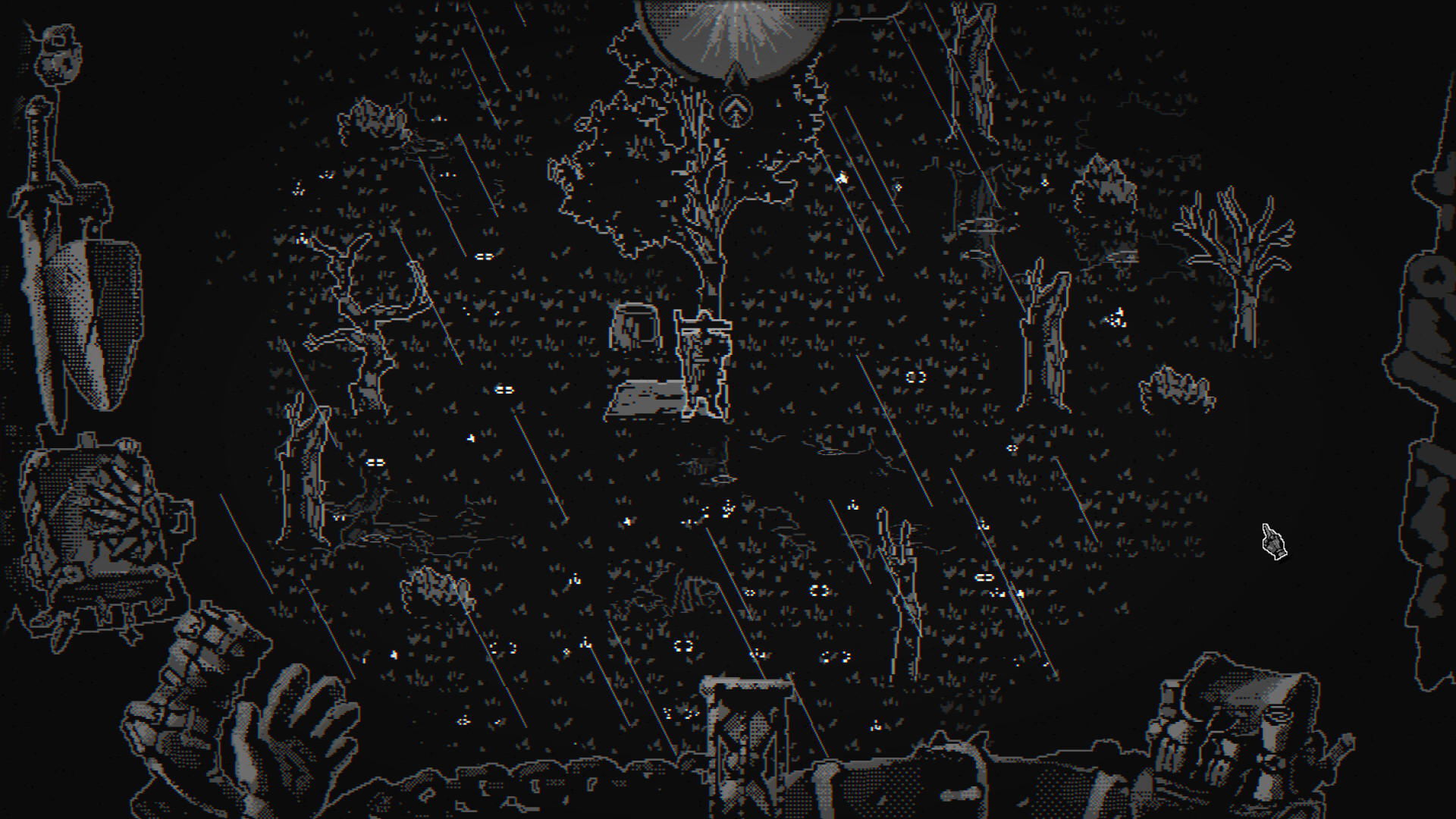
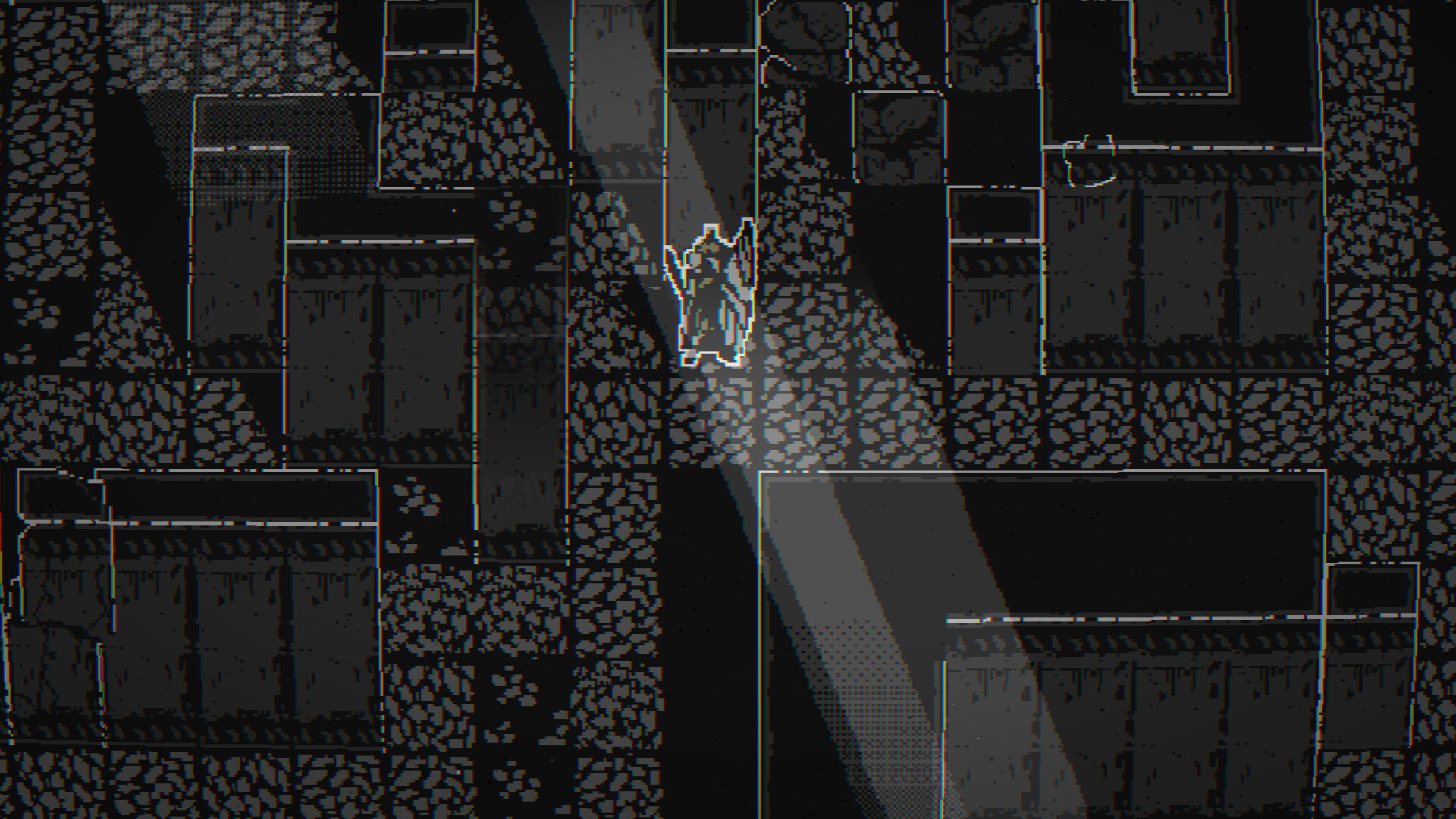
The setting is a dark, living world. Beyond the settlements you know stretches an ever-changing labyrinth, its origin lost to time. The store page frames you as a possible cartographer, the one foretold to map the unknown and bring about the true Age of Harvest, while admitting you will more likely join the millions of victims swallowed by its shifting corridors.
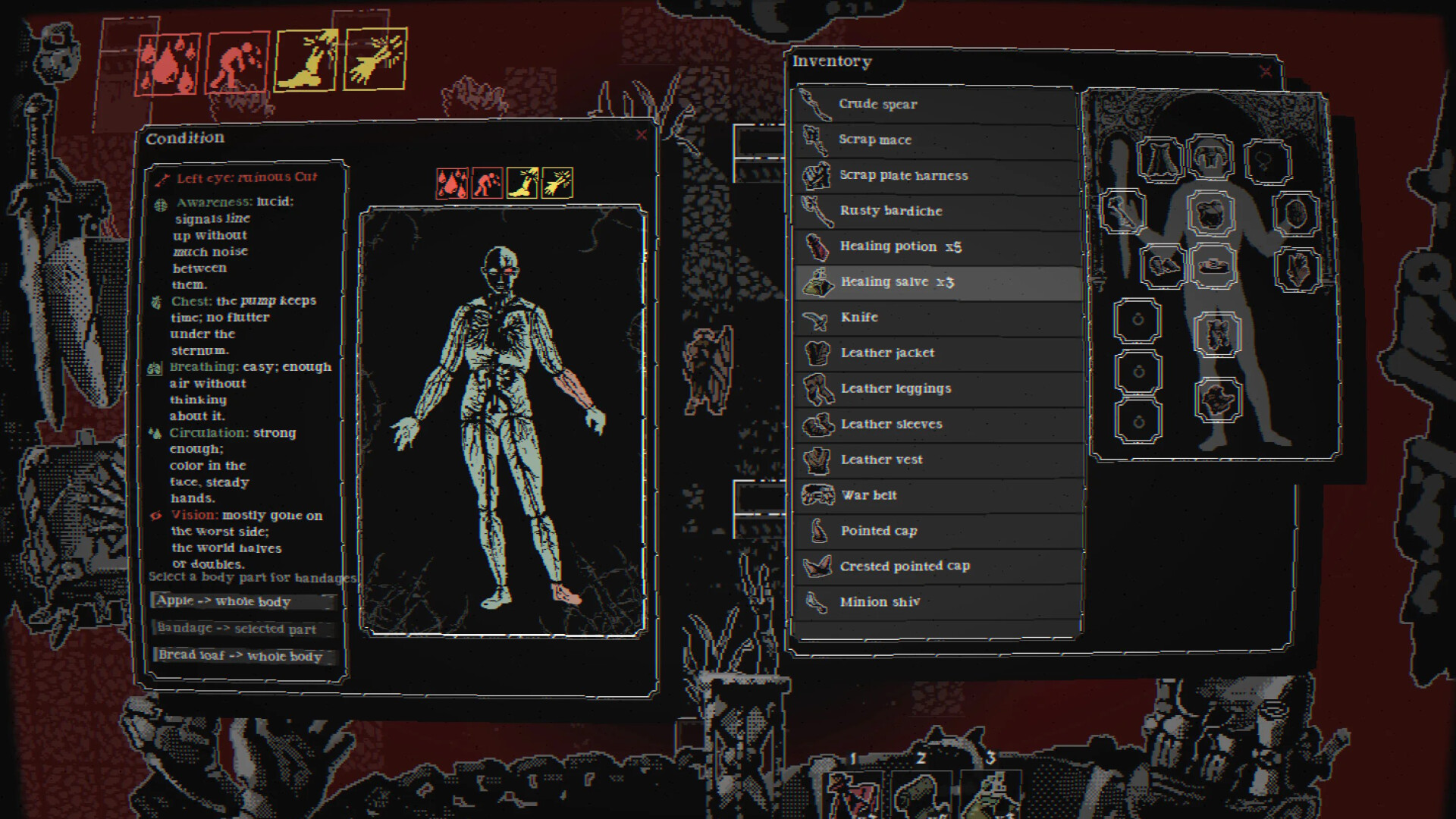
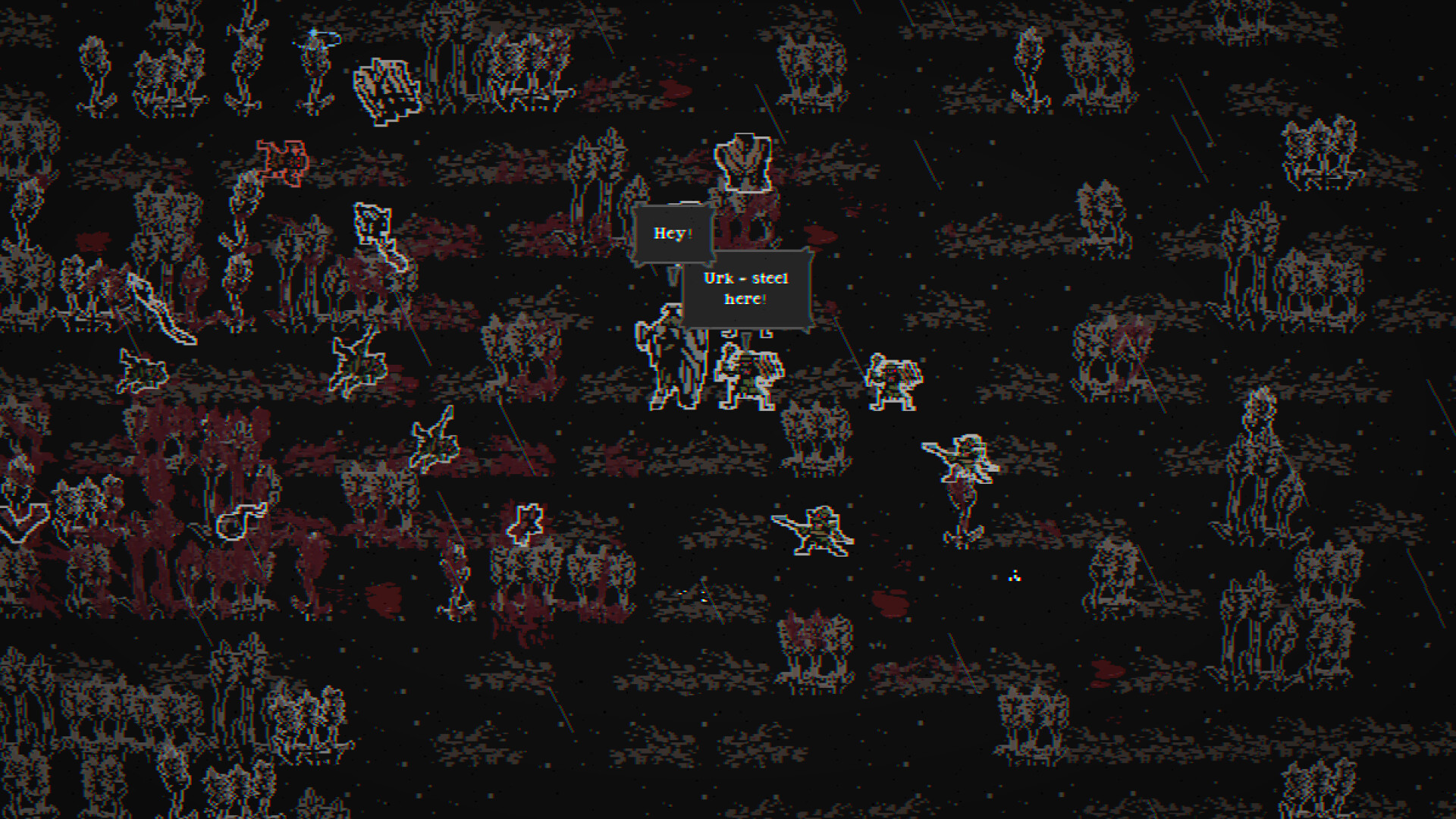
What separates it from the average roguelike is simulation depth stacked on the classic loop. Enemies have their own behaviors, senses, needs, and ways of reacting to the world. NPCs live lives, hold relationships, and keep acting while you are elsewhere. Your body is a fragile, organ-based health system where injuries change how you fight and move. Between delves you gather, hunt, butcher, craft, repair, and trade, using whatever the world gives you.
Age of Harvest Details
| Detail | Info |
|---|---|
| Genre | Traditional roguelike, simulation, survival |
| Developer | Toen (solo) |
| Publisher | Toen |
| Platform | Windows (Steam) |
| Price | To be announced |
| Players | Single-player |
| Release | To be announced, early access planned |
| Store ID | Steam app 5276910 |
| Min spec | Dual-core 2.0 GHz, 4 GB RAM, OpenGL 2.1 |
How to Play Age of Harvest
Turn-based, keyboard-driven, unforgiving: the traditional roguelike bones are all here, wrapped in simulation systems that punish carelessness in new ways.
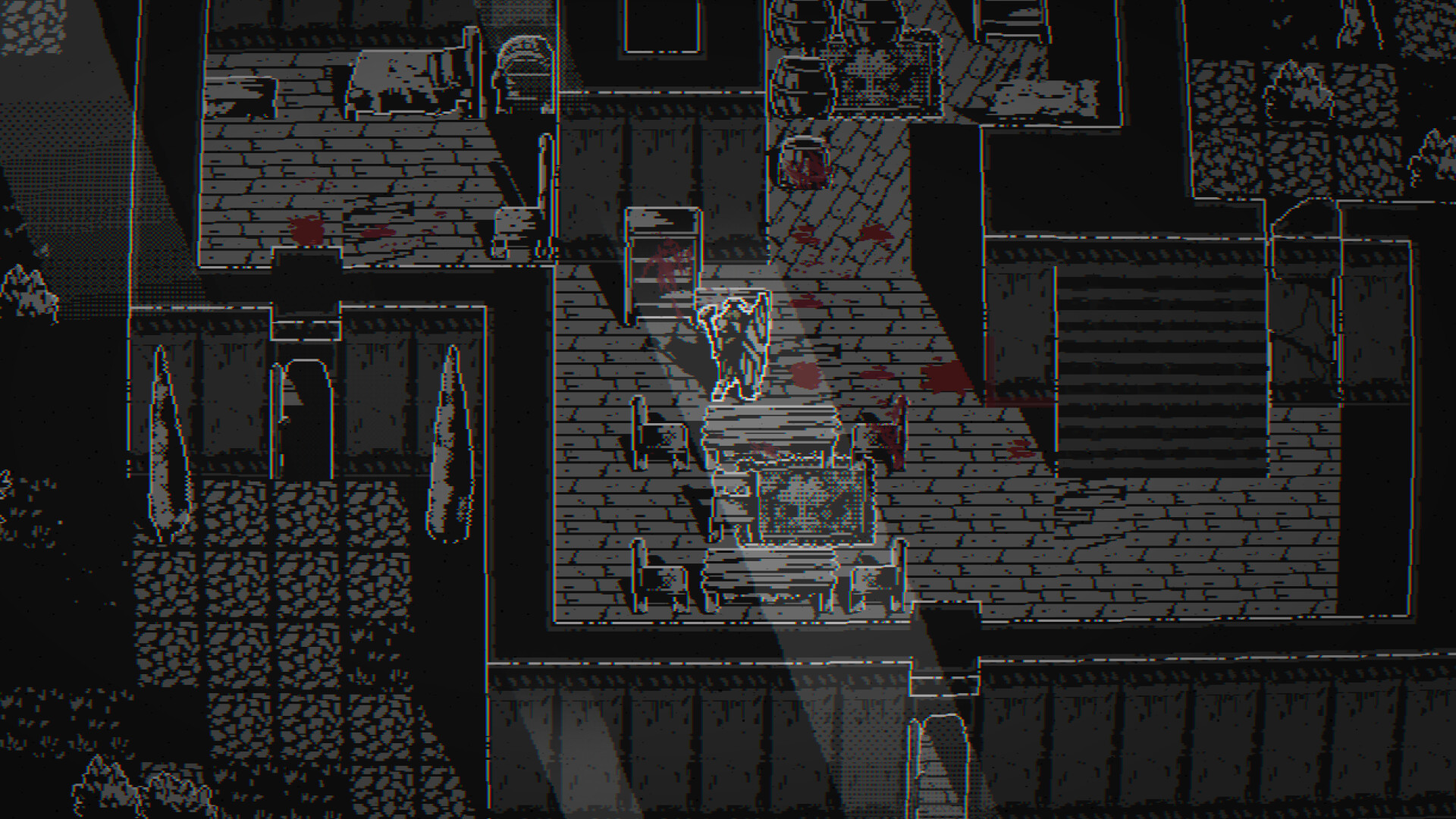
The labyrinth is the game. Every delve takes you into a maze whose places, paths, and dangers never repeat. Mapping what you explore has explicit narrative weight, the cartographer prophecy, and practical weight: knowledge of terrain patterns is the only durable resource in a shifting world.
Your body is a subsystem, not a health bar. Injuries land on organs and change how you fight and move. A damaged leg slows your escapes, compromised organs degrade you over hours of play. Treat every wound as a build constraint and decide whether to push on or turn back.
The world does not wait for you. NPCs have lives, relationships, and ongoing actions. Factions hold beliefs. Events trigger whether you witness them or not. The trade prices and quest opportunities you left behind will not be identical when you return.
Survival is a supply chain. Gather, hunt, butcher, craft, repair, trade. The store page says to make use of whatever the world gives you, and that is literal: a butchered kill feeds you, equips you, and stocks your trade goods all at once.
There is no single way through. The developer states outright there are no fixed paths and no single approach to problems. Stealth past a fight the simulation says you cannot win. Talk where others stab. The systems permit it.
Controls
The accessibility list is unusually complete: adjustable text size, adjustable difficulty, camera comfort, custom volume controls, save-anytime, playable without timed input, and playable at your own pace.
| Action | Keyboard | Notes |
|---|---|---|
| Move | Numpad / arrows / vi keys | Standard roguelike movement |
| Interact / pick up | Context key | Prompt shown on tile |
| Inventory | I | Manage gear and supplies |
| Character / body screen | C | Check organs and injuries |
| Wait a turn | Period | Let the world move |
| Rest / camp | R | Where safe |
| Save & quit | Esc menu | Save-anytime confirmed |
Traditional roguelike veterans will feel at home immediately. Newcomers get the safety net the accessibility flags provide, which almost no game in this genre ships with.
Getting Started: What to Know Before Release
Early access is coming. The store page carries the Early Access tag and a note that the game is in active development, with the store page updating as major systems complete. Follow the news hub for the date drop.
Wishlist it if simulation roguelikes are your lane. Solo-dev traditional roguelikes live or die on early momentum. Caves of Qud, Dwarf Fortress, and Cogmind all built their communities over years of visible development, and wishlists decide whether Toen gets that runway.
The comparison shelf is the modern sim-roguelike wave. Procedural labyrinth plus living NPC simulation plus body management puts it in conversation with Qud's mutation builds and Dwarf Fortress's fortress-level simulation, in a 2D package that runs on integrated graphics.
Traditional means traditional. Permadeath, turn-based tiles, keyboard-first play. If your roguelike diet is Hades or Dead Cells, check the genre expectations before jumping in.
Readability is handled. Adjustable text size and camera comfort options on a pixel-dense roguelike is rare and worth noting; dense ASCII-adjacent UIs are the usual barrier to entry here.
Tips and Tricks
Grounded in the confirmed systems and genre fundamentals:
Never delve with an untreated wound. The organ system means small injuries compound. A leg injury you ignore becomes an escape you cannot make. Return to camp and heal while the cost is low.
Map as you go, and mean it. The cartographer fantasy is also the survival discipline. Note landmark tiles, safe rooms, and resource nodes. The labyrinth rewrites itself, but pattern knowledge of how it shifts is what separates survivors from the millions of victims.
Watch what NPCs do, not just what they say. Living-world simulation means behavior is information. A trader who moves routes, a faction that changes territory: those shifts are your economy and your quest log.
Butcher everything legal. Kills are resources. The hunt-butcher-craft chain turns dangerous encounters into supplies. Leaving a carcass behind is leaving gear on the table.
Repair before it breaks. The crafting list includes repair for a reason. Gear failure mid-delve in a body-management game is how runs end. Maintain on a schedule, not on failure.
Use the save-anytime sparingly. The accessibility flag is there for real life interruptions, not save-scumming. The simulation's appeal is consequences; scumming through them hollows out the game.
Set difficulty honestly. Adjustable difficulty is built in. Simulation roguelikes are long games; a setting that produces tense but survivable early runs will teach you more than a brutal one that kills you on floor two every time.
Advanced Strategies
- Build around your body, not against it. Once an injury lands, the run's optimal build changes. A speed penalty argues for ranged and trap play; organ damage argues for shorter, richer delves. The simulation rewards players who re-plan.
- Trade where factions are weak, sell where they are strong. Living economies drift. Track which settlements lack what you find cheaply elsewhere, and route your expeditions through them. Cartography and commerce are the same skill here.
- Learn enemy senses before you learn enemy stats. Behaviors, senses, and needs drive AI decisions. A creature that hunts by sound can be distracted; one that needs food can be baited. Stat memorization comes second to pattern exploitation.
- Time faction events to your delves. World events fire whether you watch or not. Position yourself where a known event will resolve and harvest the aftermath, instead of hearing about it secondhand in a settlement.
- Depth is a budget, not a goal. The labyrinth's shifting jaws are the difficulty curve. Plan delves with an exit funded: enough supplies to go one level deeper than your map, never one level more.
Final Tips
Age of Harvest is a systems game for people who read patch notes. The labyrinth gives the runs their structure, the body gives them their stakes, and the simulation gives the world its teeth. Map carefully, heal early, butcher everything, and let the world's own momentum become your toolkit.
While the release date is pending, wishlist it, watch the store's active-development notes, and if the subgenre is new to you, cut your teeth on a modern traditional roguelike so the body system and permadeath land as features instead of shocks.
FAQ
When does Age of Harvest release? No date yet. The Steam page carries a to-be-announced date, and the game is tagged for early access.
Who makes Age of Harvest? Toen, a solo developer who also self-publishes.
What platforms is Age of Harvest on? Windows PC via Steam. Minimum spec is a dual-core 2.0 GHz CPU, 4 GB RAM, and OpenGL 2.1 graphics, so it runs on very old machines.
Is Age of Harvest a traditional roguelike? Yes: turn-based, permadeath, procedurally shifting labyrinth, keyboard-first play. It layers simulation systems on that foundation rather than replacing it.
How does the health system work? An organ-based body simulation. Injuries land on specific organs and change how you fight and move, so wounds act as build constraints rather than a single hit point pool.
Does the world keep running without you? Yes. NPCs have lives, relationships, and actions that continue beyond your presence, and events fire regardless of whether you witness them.
Does Age of Harvest have accessibility options? An unusually complete set: adjustable text size, adjustable difficulty, camera comfort, custom volume controls, save-anytime, and no timed-input requirements.
Is there a demo? Nothing announced. The developer notes the store page will be updated as major systems are completed; watch the Steam news hub for a demo drop.
Screenshots