Official game
Play Deck of Memories
This game is hosted by Steam. Continue to the official page to play or download it.
Wishlist on SteamDeck of Memories Deep Dive: Card Synergies, Diorama Tricks, and Restoring the Past
Overview
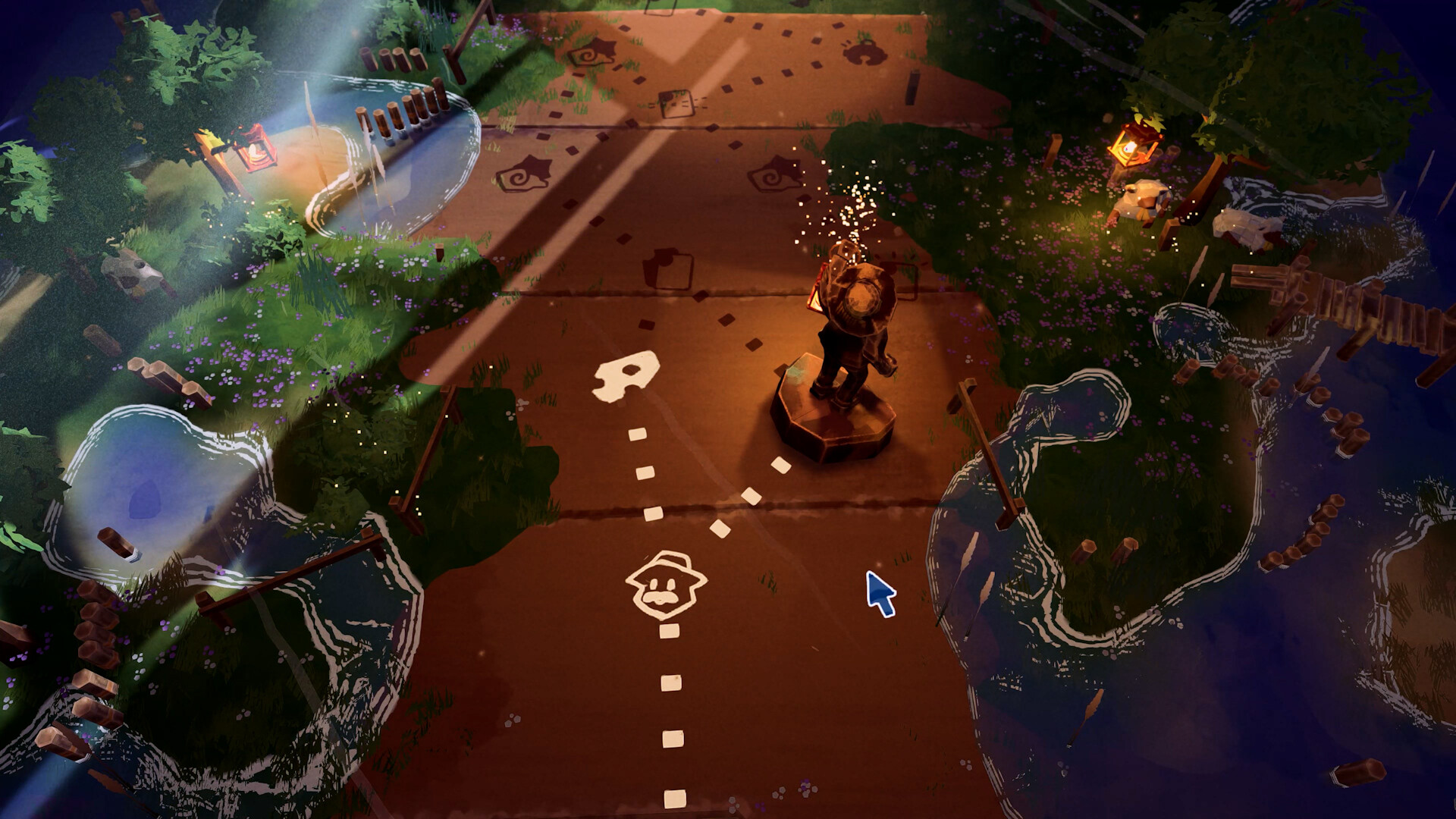
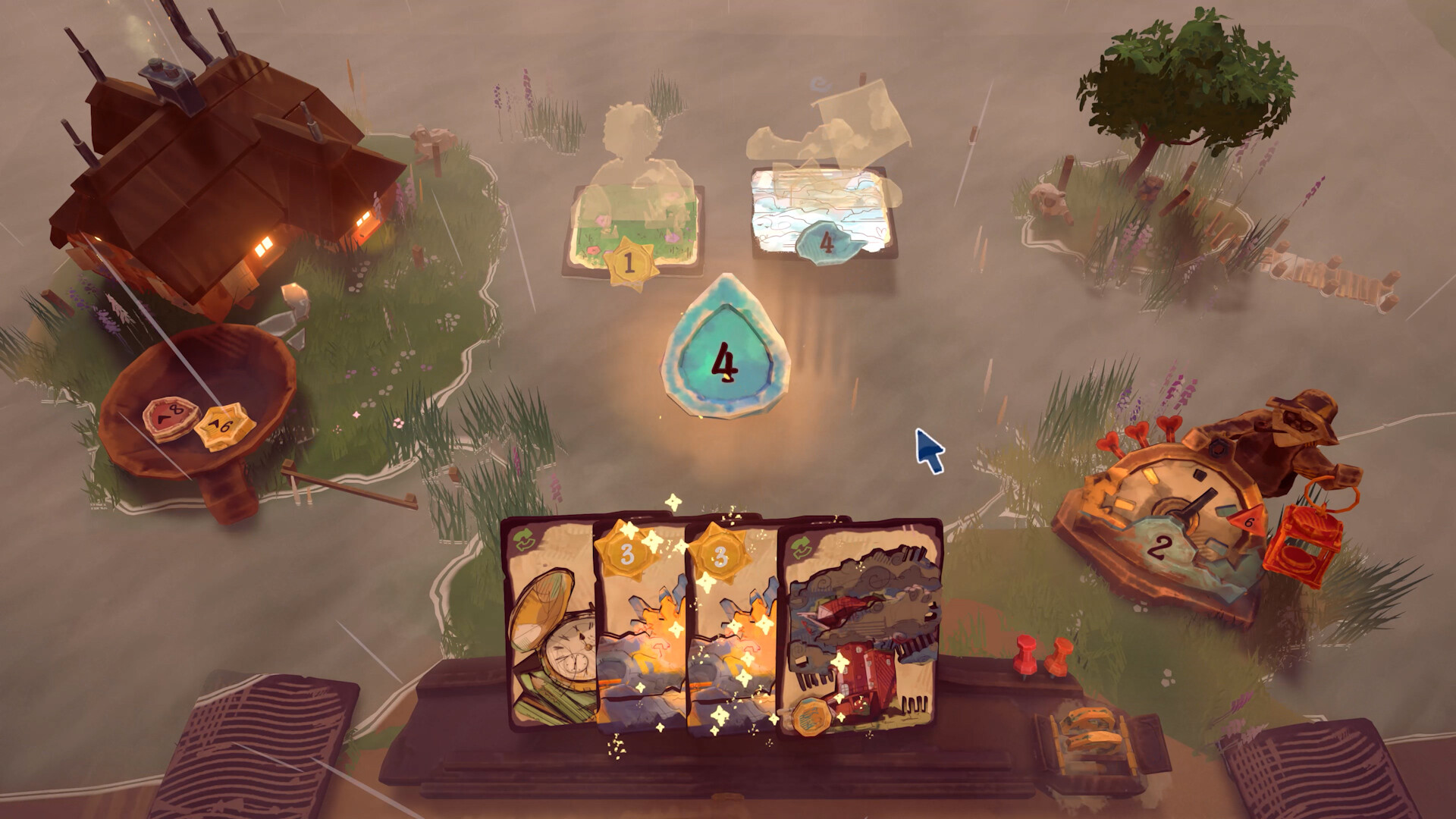
Deck of Memories is a nostalgic deckbuilding adventure about the stories your grandfather left behind. You play as Mina, a young woman returning to her grandfather's post at a lighthouse after he has gone. Going through his belongings, she finds a deck of handcrafted cards, and when she touches them, scenes from his memories begin to emerge around her inside atmospheric dioramas.
The pitch is deckbuilding as archaeology: each short story is a collection of card encounters on an immersive diorama board, and your job is to stabilize the memory by combining cards carefully before it fades. Different dioramas twist the rules, from shifting tides to moving machinery, so each memory is less a level and more a self-contained logic puzzle with a card game wrapped around it.
Developer Sentiment Games describes the game as an original, soft take on deckbuilding with lots of nostalgia baked in. The closest points of reference are the campaign-style playthroughs of Inscryption's first act and Hearthstone Adventures: a curated story told through card encounters, with no roguelike loop, no endless runs, and no combat. The art is fully hand-painted, with the studio explicitly confirming no AI was used.
Target audience: players who like cozy, atmospheric card games, story-first deckbuilders, and anything with a lighthouse and a drizzle of melancholy. If you enjoyed Inscryption's story chapters, Hearthstone's Adventures, or the quiet mood of games like A Short Hike, this is aimed directly at you. It is explicitly not for people who want combat, roguelike depth, or multiplayer.
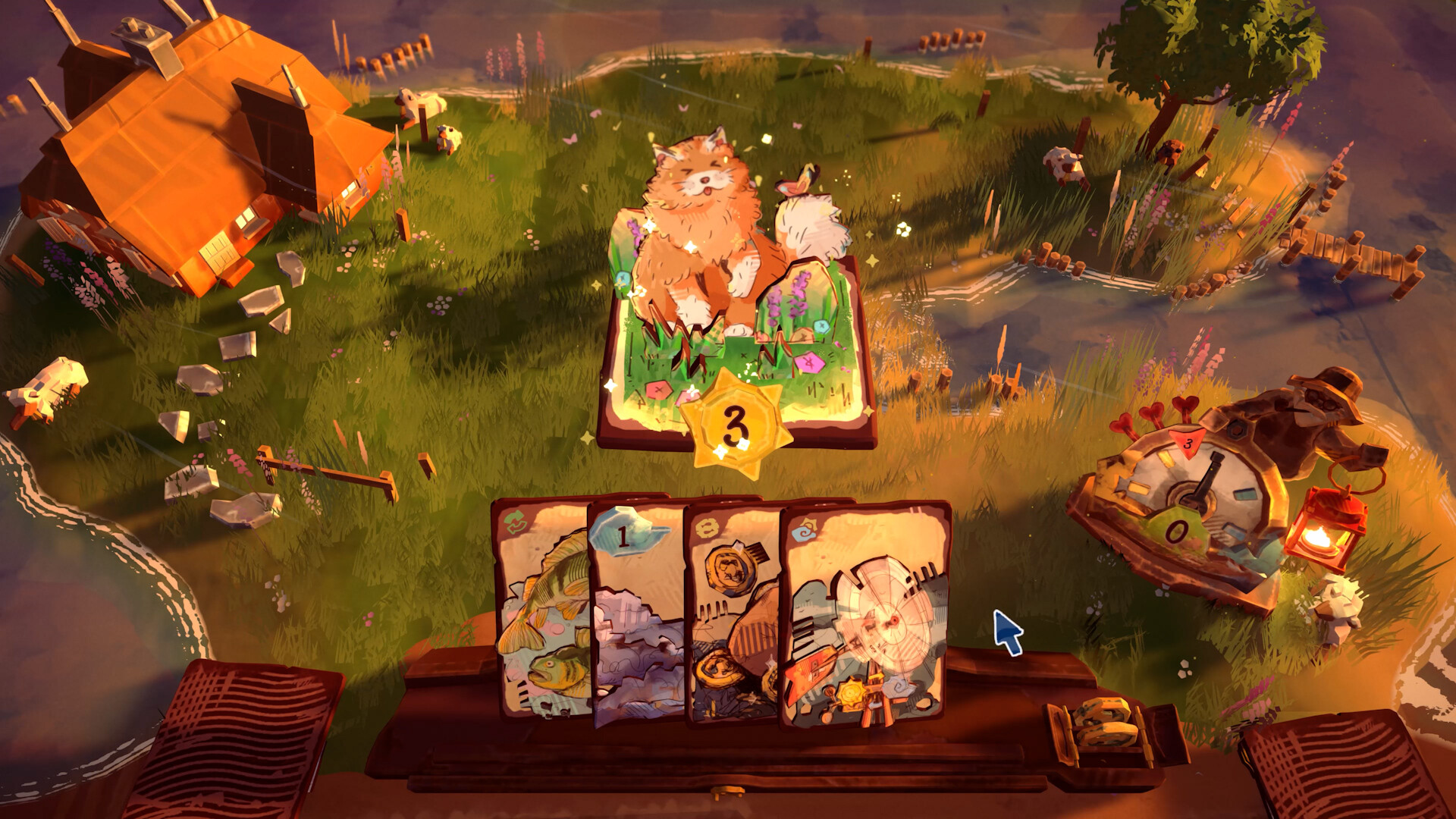
Why it stands out: the diorama framing. Cards are not played onto a flat battlefield, they are arranged inside a three-dimensional miniature scene that animates and reacts to your plays. That tactile, dollhouse quality is what separates Deck of Memories from every other card game in the genre, and the memory-shard economy gives even the cozy loop a real progression spine.
| Fact | Detail |
|---|---|
| Developer | Sentiment Games |
| Publisher | Sentiment Games |
| Genre | Deckbuilding adventure / puzzle |
| Platform | Windows (Steam) |
| Modes | Single-player |
| Story | Mina restores her grandfather's lighthouse memories |
| Board type | Hand-painted dioramas with shifting tides and machinery |
| Core loop | Play cards to stabilize memories, craft new cards, unlock trinkets |
| Currency | Memory shards |
| Inspirations | Inscryption Part 1, Hearthstone Adventures |
| Art | Fully hand-painted, no AI |
| Price | TBA (demo coming) |
| Release | 2027 (Steam wishlist live) |
Getting Started
Deck of Memories opens with Mina arriving at the lighthouse alone. The tutorial is gentle and the story beats pace themselves, so the first session is more about getting oriented than optimizing.
- Follow the story beats first. Each short story introduces its own diorama twist. Play the first memory straight through before you start theorycrafting, so you can see how the board changes the rules.
- Treat the first encounters as tutorials. The game teaches you how cards stabilize memories before it asks you to solve anything hard. Pay attention to what each card does to the diorama, not just what it does to your hand.
- Open the crafting table early. Card crafting is how you adapt your deck to each diorama. Even a basic pass over the available recipes tells you what tools exist and what they cost.
- Spend memory shards deliberately. Shards unlock new cards, crafting tools, and collectibles. On a first playthrough, prioritize tools over cards because tools expand what every card can do.
- Test trinkets as you get them. Trinkets attach to cards and create synergies. The game hides the good combos, so attach new trinkets the moment you find them and watch what changes.
- Read the memory fragments. The story is the reward structure. Every stabilized memory reveals another piece of the grandfather's life, and the details matter to the ending.
- Do not rush the calm. The gameplay is designed to be relaxing. The pacing is the point, and the game tells you outright it is not a roguelike and not combat-heavy.
Core Loop at a Glance
- Enter a diorama memory.
- Play cards to stabilize the scene before it fades.
- Survive the diorama twist (tides, machinery, whatever the memory throws at you).
- Return to the lighthouse and craft new cards and trinkets.
- Spend memory shards on unlocks.
- Recover every detail of the memory to finish the story.
Core Mechanics Explained
The Diorama Board
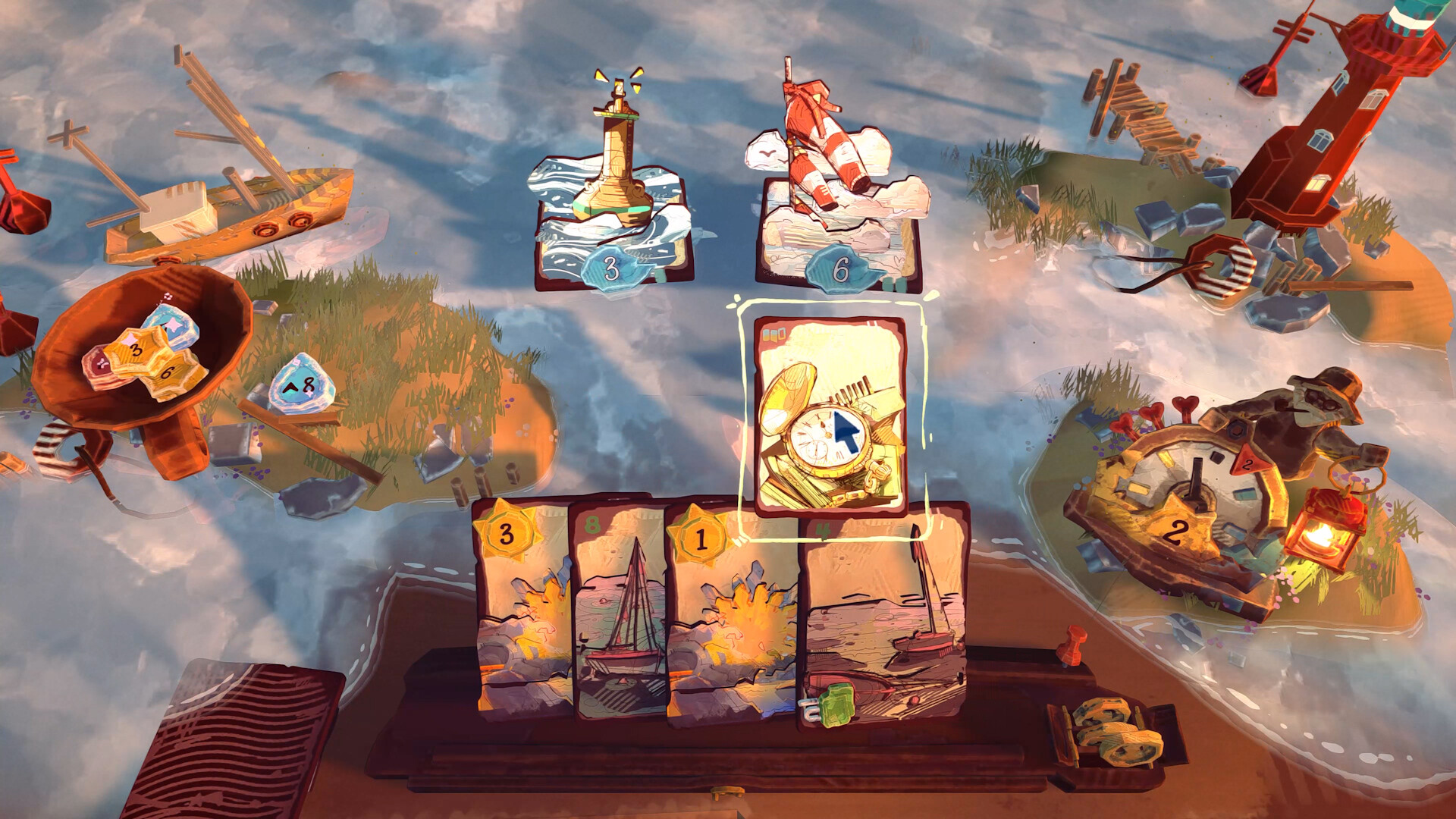
The defining mechanic is that cards are played inside a physical-looking miniature scene. The diorama is not cosmetic: shifting tides change which parts of the board are usable, moving machinery relocates objects, and the environment reacts to your plays as much as your hand does. Understanding the board state is the real puzzle, and each memory story introduces a new environmental rule on top of the card mechanics. The hand-painted look makes every board readable at a glance, which matters because the game expects you to react to the diorama as it animates.
Stabilizing Memories
Each short story features multiple card encounters. The goal of an encounter is to stabilize the memory: combine your cards carefully so the scene holds together, and recover every detail before it fades. That fade timer is the pressure valve of the game. It is never twitch-reflex pressure, but it does mean you cannot dawdle forever. The design vocabulary is "soft deckbuilding": you are mostly deciding which cards reinforce each other and when to play them, rather than racing to outdamage an opponent.
The Crafting Table
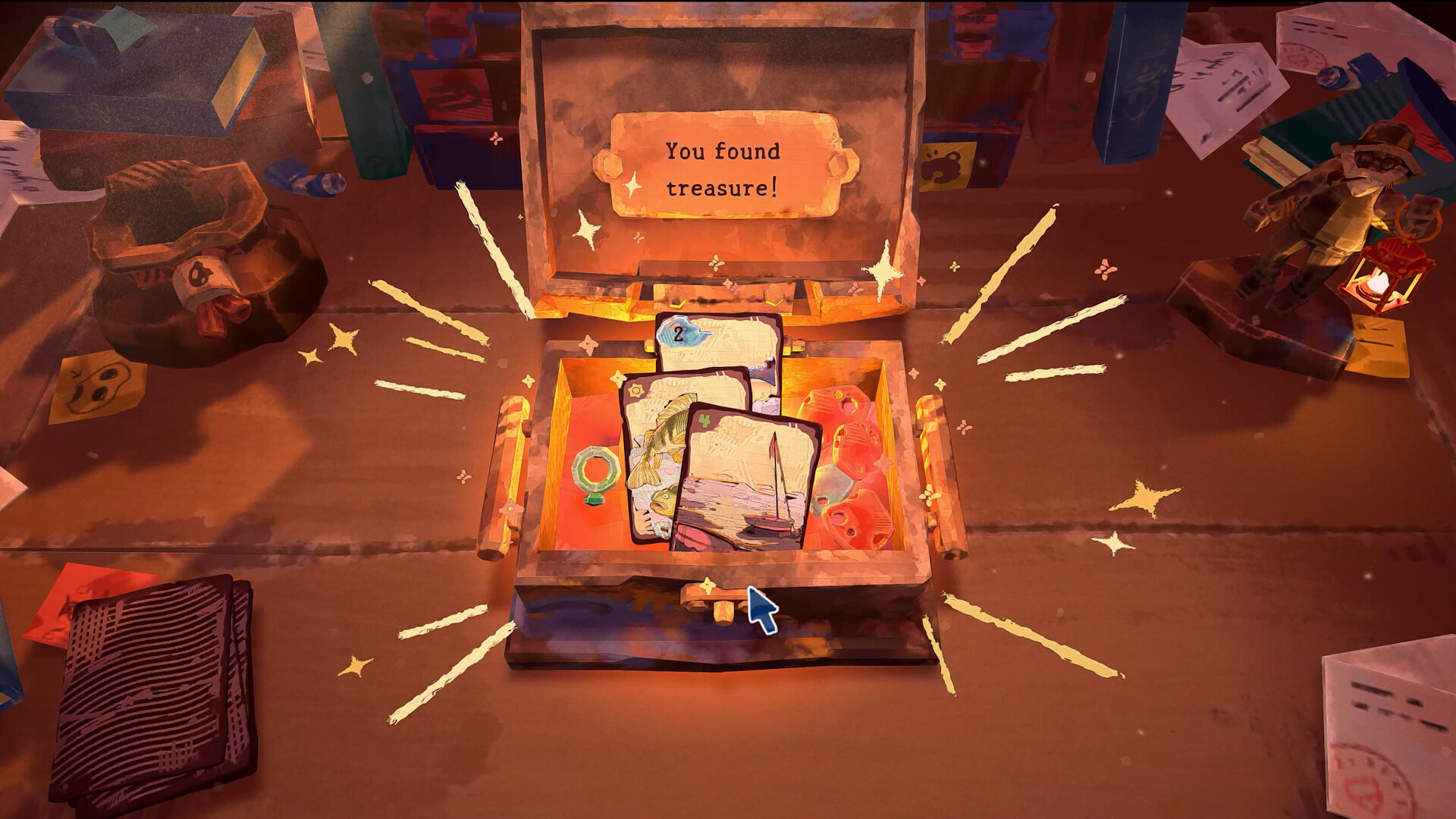
Between memories, Mina works at a crafting table with her grandfather's old supplies. Tinkering with cards is where the depth lives: you collect and attach trinkets to cards, discover powerful synergies, and refine your deck for greater versatility. The crafting table is also where you will spend your memory shards, unlocking new cards, crafting tools, and curious collectibles. The loop is deliberately cozy, but the trinket synergies have genuine optimization space for players who want to dig in.
Memory Shards and Progression
Memory shards are the game's currency, earned through the stories you restore. They buy three things: new cards, crafting tools, and collectibles. The economy is the through-line that connects the episodic stories, because cards and tools carry between memories. A deck refined with trinkets in one chapter is the deck you bring to the next, which rewards the kind of slow, deliberate tinkering the crafting table encourages.
What the Game Is Not
The studio is explicit about boundaries: not a roguelike, so no difficult challenges and no endless runs. Not fast-paced, combat-heavy, or violent. Not a walking simulator, so the interactive card layer carries the gameplay. No multiplayer. These constraints are the design. By removing combat and losing, the game creates the space for its nostalgic, hand-painted tone to be the whole experience.
Beginner Mistakes to Avoid
| Mistake | Why It Hurts | Fix |
|---|---|---|
| Hoarding memory shards | Shards unlock tools that multiply every card's value | Spend early on crafting tools |
| Ignoring trinkets | Trinkets create the synergies that make decks sing | Attach new trinkets immediately and test |
| Playing cards without watching the board | Each diorama has an environmental rule that changes the puzzle | Study the board state before each play |
| Rushing the fade timer | Panic plays destabilize the memory | Play deliberately; the timer is gentle |
| Skipping the story text | The memories are the reward and the ending depends on them | Read every fragment |
| Building one deck for everything | Diorama twists demand adaptation | Keep recipes in mind and swap cards between chapters |
| Expecting roguelike depth | This is a curated campaign, not an endless run | Adjust expectations; the fun is the story and synergy puzzle |
Advanced Tips and Strategies
The Tool-First Opening
Spend your first memory shards on crafting tools, not new cards. A tool upgrades what you can do with every card you own, while a new card only adds a single option. The tool-first opening gives you a larger design space for the same shard cost, and by the second or third memory you will have the flexibility to build around whatever trinkets you have found.
The Trinket Rebuild
When a new trinket arrives, rebuild the affected card's role, not just its numbers. The synergies in Deck of Memories change what a card does for the deck. A card that was your early-game stabilizer might become your late-memory anchor once a trinket extends it. Re-examine the whole deck when a trinket lands, because the game is small enough that one strong combo can carry a memory.
The Environment Reader
Each diorama twist suggests its own strategy. Shifting tides mean the usable play area changes, so hold stabilizing cards for when the tide moves. Moving machinery means object positions are temporary, so do not commit to a plan that depends on a machine staying put. Read the environmental rule before you build your plan, and keep one flexible card in hand for when the board shifts under you.
The Story Completionist Run
To recover every detail of every memory, play each story multiple times: once to complete it, once to hunt the details you missed, and once with a specialized deck if the diorama twist demands one. The fade mechanic punishes careless plays, but the story rewards thoroughness. A completionist run should track which memories are missing details and target those with a trinket-heavy stabilizing deck.
FAQ
Q: When does Deck of Memories release? A: 2027, according to the Steam page. No exact date yet. The studio says more news is coming, including demo details.
Q: Is there a demo? A: The studio says to wishlist to get notified when the demo is out. The Steam page explicitly promises a demo.
Q: How much does it cost? A: Price TBA.
Q: What platform is it on? A: Windows on Steam. No console or Mac announcements yet.
Q: Is it a roguelike? A: No. The studio explicitly says it is not a roguelike and has no difficult challenges or endless runs.
Q: Is there combat? A: No. The game is explicitly not fast-paced, combat-heavy, or violent.
Q: Is there multiplayer? A: No. Single-player only.
Q: What is it like? A: Campaign-style deckbuilding with card encounters per story. Inspirations cited are Inscryption Part 1 and Hearthstone Adventures.
Q: Is the art AI-generated? A: No. The studio states the art is fully hand-painted with no AI used.
Q: What is the core objective? A: Play as Mina, restore her grandfather's fading memories in deckbuilding encounters, craft and combine cards to stabilize the stories.
Q: How long is the game? A: Not announced. Each of multiple short stories features several card encounters on a diorama board.
Q: Did it appear at gamescom? A: Yes, Deck of Memories was at gamescom 2026 in the Indie Hub area, and an exclusive new trailer was revealed at the gamescom Awesome Indies show.
Final Tip and Verdict
The final tip: spend your first shards on tools and test every trinket the moment you find it. The synergy layer is where the game's depth hides, and the earlier you start tinkering, the more of the campaign you get to enjoy with a deck that feels like yours.
Verdict: 4/5 for fans of cozy deckbuilders and story-first card games. The hand-painted dioramas, the Inscryption-meets-Hearthstone campaign structure, and the no-AI artistry combine into a genuinely warm package. If you need combat, roguelike runs, or multiplayer in your card games, this is not your lane, but for a quiet evening with a lighthouse and some old memories, it is easy to recommend. The demo announcement is the next moment worth waiting for.
Last reviewed by Game How To Editorial. We play each game, verify controls against official sources, and update guides when game mechanics change.
Screenshots